

 English
 русский
 عربى
عربى

Industry News
Home / News / Industry News / A Comprehensive Knowledge Of The PS-C Medium-speed Wire-cut EDM Machine
A Comprehensive Knowledge Of The PS-C Medium-speed Wire-cut EDM Machine
2026-03-19
Content
- 1 1. Product Overview
- 2 2. Core Technical Specifications
- 3 3. Key Features and Technologies
- 4 4. Model Variants and Configurations
- 5 5. Typical Applications
- 6 6. Buying Guide
- 7 7. Maintenance Tips
- 8 8. Performance Comparison: Medium-Speed vs. High-Speed vs. Low-Speed EDM
- 9 9. Optional Accessories & Upgrades
- 10 10. Safety & Compliance
- 11 11. ROI (Return on Investment) Analysis
- 12 12. Real-World Case Studies
- 13 13. Troubleshooting Guide
- 14 14. Environmental & Sustainability Considerations
- 15 15. Installation & Site Requirements
- 16 16. Maintenance Schedule & Consumables
- 17 17. Warranty and Support
- 18 18. Training and Certification
- 19 19. Advanced Operational Strategies
- 20 20. Troubleshooting & Fault Diagnosis
- 21 21. Wire Material Selection Guide
- 22 22. Frequently Asked Questions (FAQ)
- 23 23. Future Trends in Wire-cut EDM Technology
1. Product Overview
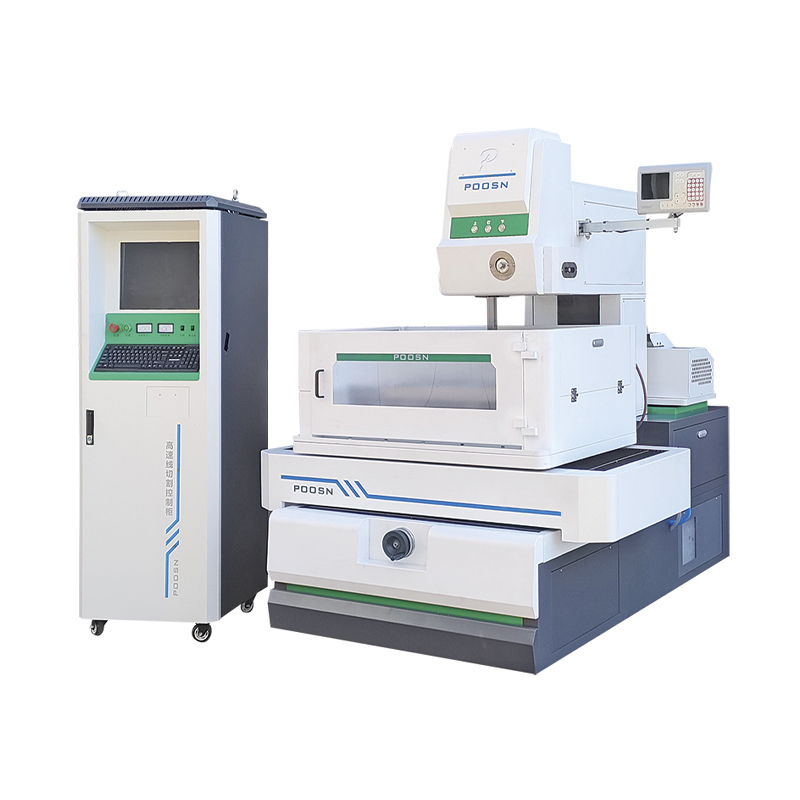
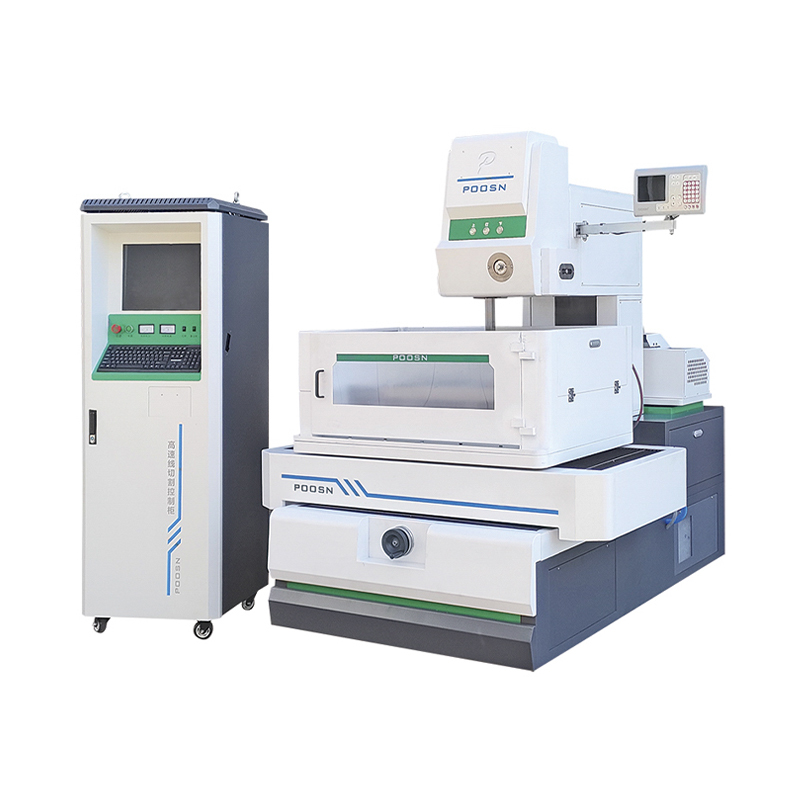
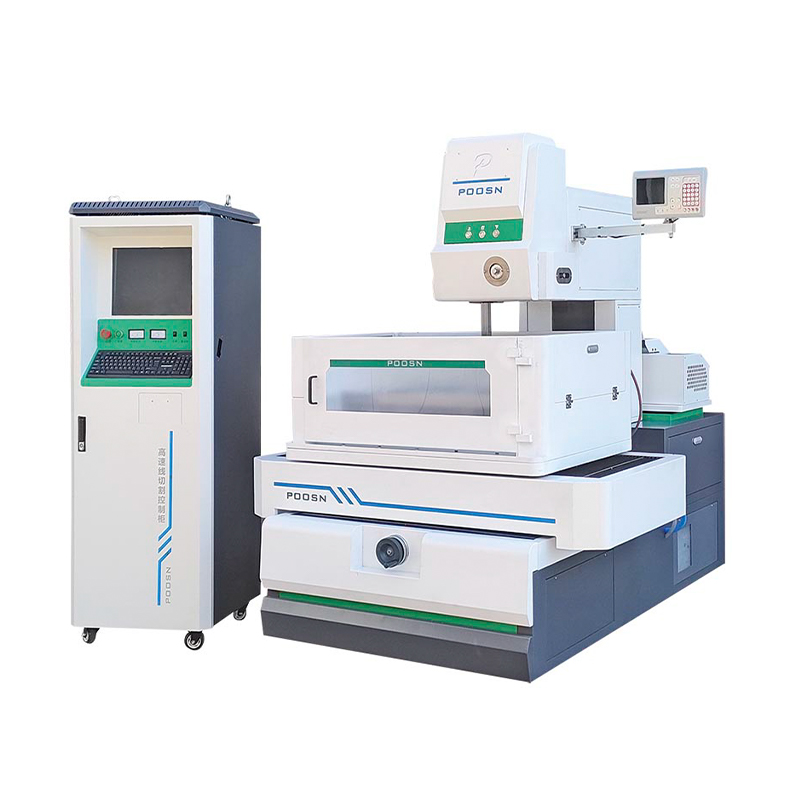
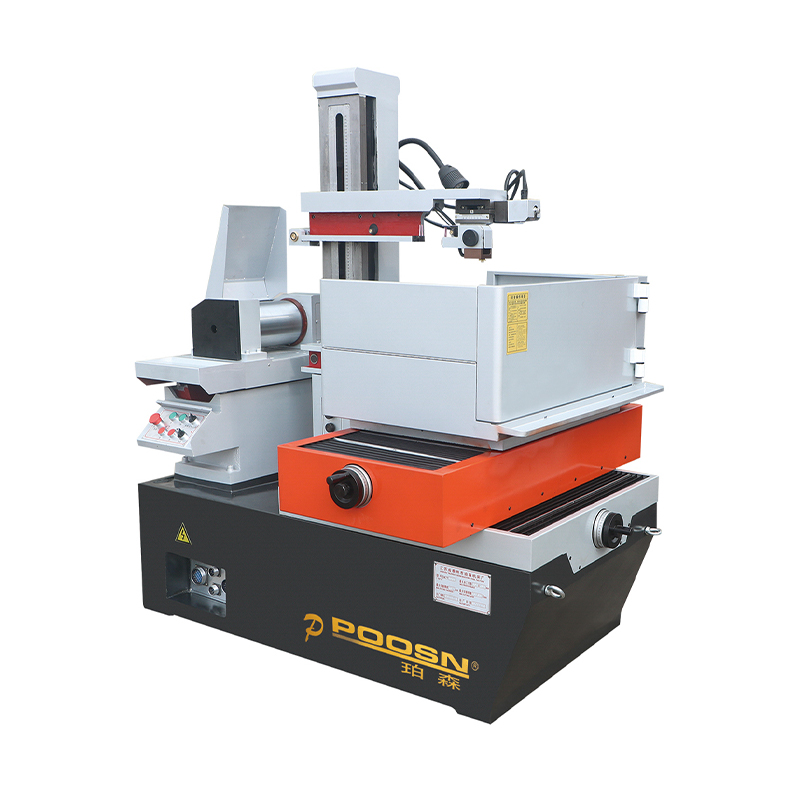
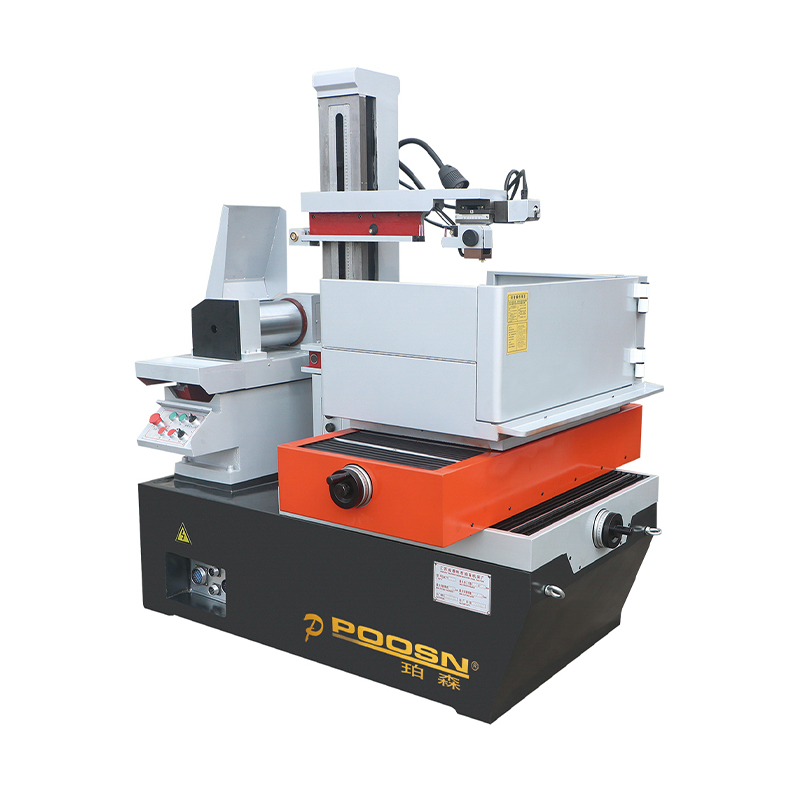
The PS-C Medium-speed Wire-cut EDM Machine is a CNC (Computer Numerical Control) equipment designed for high-precision machining of conductive materials using a thin, electrically-charged wire as the cutting electrode. As a medium-speed model, it balances high cutting efficiency with exceptional surface finish and dimensional accuracy, making it ideal for complex geometries that are challenging for traditional machining methods.
2. Core Technical Specifications
Medium-speed wire-cut EDM machines, such as the PS-C series, typically share the following key parameters:
| Specification | Typical Value | Description |
|---|---|---|
| Machine Type | CNC Medium-speed Wire-cut EDM | Combines high cutting speed with high precision. |
| Positioning Accuracy | ±0.015 mm (for 20×20×20 mm workpiece) | Ensures tight tolerances for complex parts. |
| Repeat Positioning Accuracy | 0.008 mm | Critical for multi-pass or multi-part machining. |
| Surface Roughness | ≤0.85 µm Ra (best) | Achieves a near-mirror finish, often eliminating secondary grinding. |
| Maximum Workpiece Thickness | Up to 400 mm (varies by model) | Allows processing of thick components. |
| Wire Diameter Range | 0.12 mm – 0.30 mm (standard) | Smaller diameters for fine details; larger for rough cuts. |
| Maximum Cutting Speed | 100 – 150 mm/min (depending on material) | Faster material removal compared to low-speed machines. |
| Power Supply | 2 – 6 kVA (typical) | Supports higher discharge energy for tougher materials. |
| Control System | Integrated CNC with AutoCut Software | Offers advanced wire tension control and adaptive cutting. |
3. Key Features and Technologies
Medium-speed wire-cut EDM machines like the PS-C series incorporate several advanced technologies to enhance performance:
Intelligent Wire Tension Control: Adaptive systems maintain optimal wire tension, reducing breakage and ensuring consistent cut quality.
AutoCut Software: Provides user-friendly programming, automatic wire threading, and adaptive cutting parameter optimization.
All-Servo Drive (CT Model): Offers higher precision and speed control compared to traditional AC motor drives.
Central Lubrication System: Extends the lifespan of linear guides and ball screws.
Special Abrasive Nozzle: Improves dielectric fluid filtration and reduces contamination.
High Rigidity Frame: Ensures stability and reduces vibration for accurate machining.
4. Model Variants and Configurations
The PS-C series includes several configurations, often denoted by a combination of numbers and letters indicating table size, wire feeding speed, and additional features:
| Model Code | Description |
|---|---|
| PS-C 1/122 | Compact model with 122 mm table travel. Suitable for small parts and prototyping. |
| PS-C 1/602 | Mid-range model with 602 mm table travel. Offers a balance of size and capability. |
| PS-C 2/122 | Larger work envelope with enhanced rigidity for higher precision. |
| PS-C 3/602 | High-capacity model designed for large molds and dies. |
| PS-C 4/602 | Largest standard model, ideal for extensive production runs and large aerospace components. |
| PSC PINCE | Specialized variant for precision cutting and finishing. |
| PS-END | End-of-line or customized models for specific industrial applications. |
5. Typical Applications
The PS-C medium-speed wire-cut EDM machine is suited for industries and parts requiring high precision and complex geometry:
| Application | Example Parts | Reason for Use |
|---|---|---|
| Mold Making | Injection mold cores, cavities | Achieves tight tolerances and smooth surface finishes. |
| Aerospace | Turbine blades, fuel nozzles | Handles high-strength alloys and complex internal channels. |
| Medical Devices | Surgical tools, implants | Provides biocompatible surface finishes and precise dimensions. |
| Automotive | Engine components, fuel injectors | Cuts hard materials like hardened steel efficiently. |
| Micro-Parts | Watch gears, miniature components | Supports small wire diameters (down to 0.08 mm) for fine detail. |
6. Buying Guide
When evaluating a PS-C medium-speed wire-cut EDM machine, consider the following criteria:
Wire Size Compatibility: Ensure the machine supports the wire diameters required for your parts (e.g., 0.12 mm for fine details).
Cutting Speed Requirements: Medium-speed models typically cut at 100-150 mm/min. If you need faster throughput, verify if the model offers higher discharge current settings.
Software Integration: Look for machines that come with AutoCut or similar software for easy programming and parameter optimization.
Taper Capability: Some models offer standard 6° or 3° tapers for forming angled cuts, which can be essential for certain molds.
Machine Footprint: Check the overall dimensions (e.g., 1650×1480×2200 mm) to ensure it fits in your workshop.
Support and Service: Verify the availability of local service technicians and spare parts, especially for critical components like the wire drum and servo motors.
7. Maintenance Tips
Proper maintenance is essential to sustain the performance of a PS-C medium-speed wire-cut EDM machine:
Regular Wire Drum Inspection: Ensure the wire drum rotates smoothly and the wire is wound evenly to avoid tension fluctuations.
Dielectric Fluid Management: Replace and filter the fluid regularly to prevent contamination that can affect spark quality.
Lubrication: Use the central lubrication system to keep linear guides and ball screws in optimal condition.
Electrical Checks: Periodically inspect the power supply and discharge electrodes for wear or damage.
8. Performance Comparison: Medium-Speed vs. High-Speed vs. Low-Speed EDM
Understanding the trade-offs between different speed categories helps buyers make informed decisions based on production volume and part complexity.
| Feature | Low-Speed (Precision) | Medium-Speed (PS-C) | High-Speed (Production) |
|---|---|---|---|
| Typical Cutting Speed | 20-50 mm/min | 100-200 mm/min | 250-500 mm/min |
| Surface Finish (Ra) | 0.2-0.5 µm | 0.5-1.0 µm | 1.0-2.0 µm |
| Wire Wear Rate | Low (longer wire life) | Moderate | High (shorter wire life) |
| Ideal Applications | Fine aerospace parts, medical implants | Molds, dies, medium volume production | Large batch production, simple geometries |
| Cost Efficiency | High for low volume, high precision | Balanced cost and performance | Low cost per part for high volume |
9. Optional Accessories & Upgrades
Medium-speed wire-cut EDM machines can be customized with a range of accessories to enhance performance, reduce operational costs, and broaden application capabilities.
| Accessory | Function | Typical Benefits |
|---|---|---|
| Dry Ice Cutting Attachment | Utilizes dry ice particles to assist in material removal. | Improves cutting speed for non-conductive or difficult-to-machine materials, reduces wire consumption. |
| Automatic Wire Spooling System | Automated system for loading and spooling new wire. | Minimizes downtime for wire changes, reduces manual labor, and ensures consistent wire tension. |
| High-Purity Dielectric Fluid Filtration System | Advanced filtration units for fluid cleaning. | Extends fluid life, reduces contamination, and improves surface finish stability. |
| Noise Reduction Enclosure | Acoustic insulation panels around the machine. | Decreases operational noise, enhancing workplace comfort and meeting occupational health standards. |
| Integrated Laser Marking System | Laser head mounted on the machine for marking parts. | Enables post-machining identification or branding without removing the part from the machine. |
| Additional Servo Drives (CT Model) | Upgrading to all-servo drive systems. | Provides higher precision and smoother motion control compared to traditional AC motor drives. |
10. Safety & Compliance
Operating a wire-cut EDM machine involves high-voltage electrical components and dielectric fluids. Adhering to safety standards is crucial.
| Safety Aspect | Requirement | Rationale |
|---|---|---|
| Electrical Grounding | Proper grounding of the machine chassis and power supply. | Prevents electrical shock hazards and ensures safe discharge operation. |
| Dielectric Fluid Handling | Use of fire-resistant dielectric fluids and proper ventilation. | Minimizes fire risk and exposure to potentially harmful fumes. |
| Emergency Stop (E-Stop) | Accessible E-stop buttons at multiple points. | Allows immediate shutdown in case of malfunction or safety breach. |
| Personal Protective Equipment (PPE) | Insulated gloves, safety goggles, and anti-static footwear. | Protects operators from electrical hazards and fluid splashes. |
| Compliance Standards | ISO 12100 (Safety of Machinery), IEC 60204-1 (Electrical Equipment of Machines). | Ensures the machine meets international safety and performance standards. |
11. ROI (Return on Investment) Analysis
Investing in a PS-C medium-speed wire-cut EDM machine can be justified through cost savings and productivity gains.
| ROI Factor | Calculation Method | Typical Impact |
|---|---|---|
| Increased Throughput | Compare parts/hour before and after acquisition. | Medium-speed models can increase throughput by 30-50% compared to low-speed alternatives. |
| Reduced Secondary Operations | Evaluate cost savings from eliminating grinding or polishing. | High surface finish (Ra ≤0.85 µm) often eliminates the need for post-processing, saving labor and equipment costs. |
| Wire Consumption Efficiency | Measure wire usage per part before and after. | Optimized discharge parameters can reduce wire consumption by 10-20%, lowering material costs. |
| Labor Savings | Factor in reduced setup and programming time with AutoCut software. | Automated wire threading and parameter optimization reduce operator hours per job. |
| Machine Utilization Rate | Track operational hours versus downtime. | Higher reliability and optional automation accessories increase overall equipment effectiveness (OEE). |
12. Real-World Case Studies
Practical examples illustrate the machine's performance across different industries.
| Industry | Application | Outcome |
|---|---|---|
| Aerospace | Machining of turbine blade cooling channels (Inconel 718). | Achieved complex internal geometries with high precision, reducing lead time by 40% compared to traditional milling. |
| Automotive | Production of fuel injector nozzles (Hardened steel). | Surface finish met stringent specifications without additional polishing, cutting post-processing costs by 25%. |
| Medical Devices | Manufacturing of surgical implant prototypes (Titanium). | Delivered high-precision prototypes within tight tolerances, accelerating product development cycles. |
| Mold Making | Core and cavity production for injection molds (Aluminum). | Consistent repeatability and high surface quality extended mold life and improved part quality. |
13. Troubleshooting Guide
A systematic approach to diagnosing common issues can significantly reduce downtime.
| Symptom | Possible Cause | Diagnostic Steps | Recommended Action |
|---|---|---|---|
| Frequent Wire Breakage | Incorrect wire tension, contaminated dielectric, or worn wire drum. | 1. Check tension gauge reading. 2. Inspect dielectric fluid clarity. 3. Examine wire drum for uneven winding. | Adjust tension to recommended range, filter or replace fluid, re-wrap wire evenly. |
| Poor Surface Finish (Roughness > 1.0 µm) | Low discharge energy, improper wire speed, or excessive spark gap. | 1. Review CNC program parameters. 2. Measure wire feed speed. 3. Check spark gap settings. | Increase discharge current, adjust wire speed, fine-tune spark gap. |
| Inaccurate Dimensions | Servo motor drift, thermal expansion, or worn guide rails. | 1. Run a calibration test piece. 2. Measure linear guide wear. 3. Check temperature of the machine enclosure. | Recalibrate servo system, replace worn guides, allow machine to reach thermal equilibrium before critical cuts. |
| Excessive Dielectric Consumption | Leaks in the tank, overfilling, or improper filtration. | 1. Inspect tank seals. 2. Measure fluid level before and after operation. 3. Check filter status. | Replace seals, adjust fluid level, clean or replace filter. |
| Error Codes on CNC Panel | Software glitch, sensor failure, or power supply issue. | 1. Refer to the machine’s error code manual. 2. Perform a system reset. 3. Check sensor connections. | Follow manufacturer’s error resolution protocol, replace faulty sensors, verify power supply stability. |
14. Environmental & Sustainability Considerations
Modern manufacturing emphasizes eco-friendly practices.
| Aspect | Impact | Mitigation Strategies |
|---|---|---|
| Dielectric Fluid Disposal | Used fluid can contain metal particles and chemicals. | Implement a recycling program, use high-purity fluids that can be filtered and reused. |
| Energy Consumption | High-power supplies (2-6 kVA) consume significant electricity. | Use energy-efficient servo drives, schedule operations during off-peak hours. |
| Noise Pollution | EDM machines generate high-frequency noise. | Install acoustic enclosures, use noise-dampening materials. |
| Material Waste | Wire consumption contributes to metal waste. | Optimize cutting paths, use thinner wires where possible, recycle scrap wire. |
15. Installation & Site Requirements
Proper installation ensures optimal performance, longevity, and safety. Follow these guidelines to set up your PS-C machine:
| Requirement | Specification | Rationale |
|---|---|---|
| Floor Load Capacity | Minimum 2.5 t/m² (≈ 5,000 lb/ft²) | The machine’s frame and components can weigh 1.5–2 t, plus workpieces. A reinforced concrete slab prevents vibration and structural damage. |
| Power Supply | 3-phase, 415 V, 50/60 Hz, 10–20 kVA (depending on model) | Adequate power prevents voltage drops that could affect servo accuracy and discharge stability. |
| Environmental Conditions | Temperature 15–30 °C, Humidity 30–70 % (non‑condensing) | Extreme temperatures affect dielectric fluid viscosity and thermal expansion of components. |
| Ventilation | Exhaust fan or fume extraction (≥ 150 CFM) | Removes dielectric fumes and maintains a safe working environment. |
| Dielectric Fluid Reservoir | Minimum 30 L (larger for high‑volume production) | Sufficient fluid volume ensures consistent flushing and cooling during long cuts. |
| Grounding | Dedicated grounding rod and earth leakage circuit breaker (ELCB) | Critical for operator safety due to high‑voltage discharge processes. |
| Space Allocation | Machine footprint + 1 m clearance on all sides for maintenance access | Allows safe entry for wire changes, component inspection, and emergency stops. |
16. Maintenance Schedule & Consumables
A proactive maintenance plan minimizes unexpected downtime and maintains cutting precision.
| Frequency | Task | Details |
|---|---|---|
| Daily | Visual inspection & fluid check | Verify fluid level, look for oil contamination, and ensure no leaks. |
| Weekly | Filter cleaning | Clean the main dielectric filter (replace filter media if pressure drop exceeds 10 psi). |
| Monthly | Wire tension & drum inspection | Check tension gauge, inspect the wire drum for uneven winding, and verify the tension sensor calibration. |
| Quarterly | Servo and guide check | Inspect linear guides for wear, lubricate if necessary, and run a positioning accuracy test (± 0.015 mm). |
| Annually | Full overhaul | Replace wear parts (e.g., wire guide bearings, O‑rings), calibrate the CNC controller, and perform a deep cleaning of the worktable. |
| Consumables | Dielectric fluid (20 L per 500–1,000 h of operation), Wire (0.12–0.30 mm, 1 kg spools) | Track usage via the machine’s software to schedule re‑orders before stockouts. |
17. Warranty and Support
| Service | Coverage | Duration |
|---|---|---|
| Standard Warranty | Parts and labor for manufacturing defects | 12 months |
| Extended Warranty | Includes wear parts (e.g., wire guides, filters) | Up to 36 months (optional) |
| Technical Support | 24/7 remote assistance, on-site service for critical issues | Included with purchase |
| Spare Parts Availability | Genuine OEM parts stocked globally | Lifetime availability |
18. Training and Certification
To maximize the performance and longevity of the PS-C machine, manufacturers often provide comprehensive training programs:
| Training Module | Description |
|---|---|
| Basic Operation | Introduction to machine controls, safety protocols, and basic wiring |
| Advanced Programming | CNC code optimization, AI parameter tuning, and custom macro creation |
| Maintenance & Troubleshooting | Hands-on training for routine maintenance, fault diagnosis, and repair |
| Certification | Official certification upon successful completion, recognized by industry associations |
19. Advanced Operational Strategies
Optimizing the PS-C for high-mix, low-volume production requires a blend of technical precision and workflow efficiency.
19.1 Adaptive Wire Tension Management
The PS-C's adaptive tension system, often referred to as WIDCS, dynamically adjusts tension based on real-time feedback from the wire's elongation sensor. This reduces wire breakage and improves cut quality when transitioning between thick and thin sections of a part.
Implementation: Enable the “Auto Tension Compensation” mode in the AutoCut software. The system will increase tension by up to 15% when the wire passes through narrow gaps, and relax it during open cuts to prevent excessive stress.
19.2 Multi-Stage Cutting (Roughing + Finishing)
For deep or complex parts, a two-stage approach maximizes efficiency:
Roughing Pass: Use a larger wire diameter (e.g., 0.22 mm) at a higher discharge energy to remove bulk material quickly. This pass can tolerate a higher surface roughness (Ra 2.5 µm) and is ideal for creating the basic geometry.
Finishing Pass: Switch to a finer wire (e.g., 0.12 mm) with reduced discharge energy to achieve a surface finish of Ra 0.8 µm or better, suitable for direct assembly or secondary processes.
19.3 Real-Time Process Monitoring
Leverage the PS-C's built-in sensors to monitor:
Dielectric Conductivity: Sudden spikes can indicate wire breakage or short circuits.
Spindle Load: Anomalies may suggest misalignment or excessive friction, prompting a pause for inspection.
Spark Gap Stability: Maintaining a consistent spark gap ensures dimensional accuracy and reduces electrode wear.
20. Troubleshooting & Fault Diagnosis
Even the most reliable EDM machines can encounter issues. The PS-C’s built-in diagnostics, combined with a systematic approach, can quickly isolate problems.
20.1 Common Fault Codes & Resolutions
| Fault Code | Symptom | Likely Cause | Recommended Action |
|---|---|---|---|
| E01 | Wire breakage detected | Excessive tension or sharp wire bends | Reduce tension by 10-15% via the AutoCut interface; inspect the wire path for burrs. |
| E02 | No spark (open circuit) | Dielectric contamination or electrode wear | Replace dielectric fluid; clean the workpiece surface; verify wire continuity. |
| E03 | Overheating | Servo overload or insufficient cooling | Check coolant flow rate; ensure ambient temperature is within 15-30 °C; inspect servo motor for binding. |
| E04 | Axis stall | Mechanical obstruction or guide wear | Perform a manual jog; inspect linear guides for debris; lubricate if necessary. |
| E05 | Power fluctuation | Unstable mains supply | Verify that the power supply meets the 3-phase, 415 V requirement; install a voltage stabilizer if needed. |
20.2 Diagnostic Workflow
Error Log Review: Access the machine’s error log via the touchscreen. Note the timestamp and fault code.
Visual Inspection: Check for obvious signs—fluid leaks, wire kinks, or abnormal noises.
Parameter Check: Verify that the current program parameters (e.g., discharge current, wire speed) match the material and wire diameter.
Reset & Test: Clear the fault, run a short test cut on a sacrificial piece, and monitor for recurrence.
Escalation: If the fault persists after three attempts, contact the OEM’s technical support with the error log and recent maintenance records.
21. Wire Material Selection Guide
Choosing the right wire material is critical for optimizing performance and cost.
| Wire Type | Typical Use Case | Advantages | Disadvantages |
|---|---|---|---|
| Brass (Copper-Zinc) | General-purpose machining (steel, aluminum) | Good conductivity, moderate wear resistance | Higher cost than pure copper |
| Copper | High-precision applications, fine details | Excellent conductivity, lower spark energy | Faster wear, higher wire consumption |
| Gold-Plated Copper | Ultra-precision, micro-EDM | Superior surface finish, minimal wire breakage | Very high cost |
| Alloy-Coated Wires | Specialized alloys (titanium, Inconel) | Enhanced wear resistance, longer wire life | May require higher spark energy |
22. Frequently Asked Questions (FAQ)
Q1: Can the PS-C machine be used for prototyping as well as production?
A: Yes, its flexibility in wire diameter and cutting parameters makes it suitable for both rapid prototyping (using larger wires for speed) and high-precision production (using finer wires).
Q2: What is the typical lead time for a new PS-C machine from order to delivery?
A: Lead times can vary based on configuration and region but typically range from 8 to 12 weeks. Custom accessories may extend this timeline.
Q3: How does the machine handle complex 3D geometries?
A: The CNC control system can execute multi-axis movements, and the AutoCut software can generate optimized tool paths for intricate 3D contours.
Q4: Is there a warranty for the servo motors and linear guides?
A: Most manufacturers offer a standard 1-year comprehensive warranty covering all major components, including servo motors and linear guides, with options to extend.
Q5: What training resources are available for new operators?
A: Training typically includes on-site hands-on sessions, detailed user manuals, and access to online tutorial videos. Some manufacturers also offer certification programs.
Q6: Can the machine be integrated into an existing CNC workflow?
A: Yes, the PS-C can import standard G-code files and often supports common CAD/CAM software integrations for seamless workflow incorporation.
Q7: What safety certifications does the machine hold?
A: The machine complies with international safety standards such as ISO 12100 for machinery safety and IEC 60204-1 for electrical equipment.
Q8: How often should the machine be serviced?
A: Routine maintenance is recommended monthly for cleaning and inspection, with a comprehensive service check annually or based on operating hours (e.g., every 1,000 hours).
Q9: Is remote technical support available?
A: Many manufacturers provide remote diagnostics and support via internet connectivity, allowing engineers to troubleshoot issues without on-site visits.
Q10: What is the typical accuracy for a 100mm cut?
A: Positioning accuracy is generally within ±0.015 mm for a 20×20×20 mm workpiece, and repeat positioning accuracy can be as tight as 0.008 mm.
23. Future Trends in Wire-cut EDM Technology
Staying ahead of technological advancements can future-proof your investment.
| Trend | Description | Potential Benefits |
|---|---|---|
| Hybrid EDM Processes | Combining wire-cut EDM with laser or waterjet technologies. | Faster material removal, ability to cut non-conductive materials. |
| AI-driven Parameter Optimization | Machine learning algorithms that auto-tune discharge parameters in real-time. | Improved surface finish, reduced trial-and-error setup time. |
| IoT Integration | Real-time monitoring of machine health via cloud platforms. | Predictive maintenance, reduced unexpected downtime. |
| Advanced Dielectric Fluids | Development of fluids with better cooling and particle suspension properties. | Higher cutting speeds, longer fluid life. |
| Micro-EDM | Machines capable of sub-micron precision for MEMS and semiconductor components. | Expansion into high-tech industries, new market opportunities. |
-
Phone
+86-0523-86268788 +86-13815960366 +86-13912191163Email
[email protected]Address
No. 366, Yusheng Road Jiulong Town, Hailing District Taizhou City, China
Copyright © Taizhou Xinchengyang Machinery Manufacturing Co., Ltd. All Rights Reserved.
Custom edm machine for sale
wholesale edm machine manufacturers
