

 English
 русский
 عربى
عربى

Industry News
Knowledge Guide For DKD Large Cutting Taper WEDM (Wire EDM) Machines
2026-03-19
Content
- 1 1. Product Overview
- 2 2. Technical Specifications
- 3 3. Key Features & Options Buyers Look For
- 4 4. Buying Guide: What to Consider
- 5 5. Applications
- 6 6. Comparison with Other Machines
- 7 7. Maintenance Protocols & Operational Best Practices
- 8 8. Competitor Landscape & Differentiators
- 9 9. ROI & Cost-Benefit Analysis
- 10 10. Real-World Applications & Case Studies
- 11 11. Ordering & Customization Checklist
- 12 12. Advanced Troubleshooting & Diagnostic Protocols
- 13 13. CAD/CAM Integration & Workflow Optimization
- 14 14. Safety, Compliance, & Environmental Considerations
- 15 15. Training, Support, & Knowledge Transfer
- 16 16. Strategic Recommendations & Next Steps
- 17 17. Risk Management & Mitigation Strategies
- 18 18. Environmental & Compliance Considerations
- 19 19. Accessories & Optional Upgrades
- 20 20. Frequently Asked Questions (FAQs)
- 21 21. Quick Reference Checklist
1. Product Overview
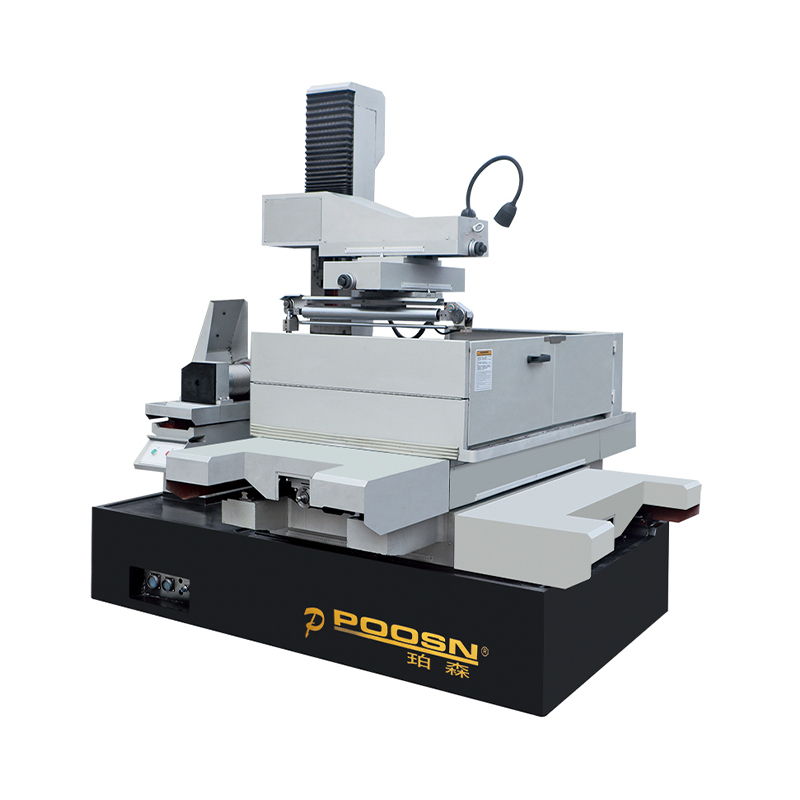
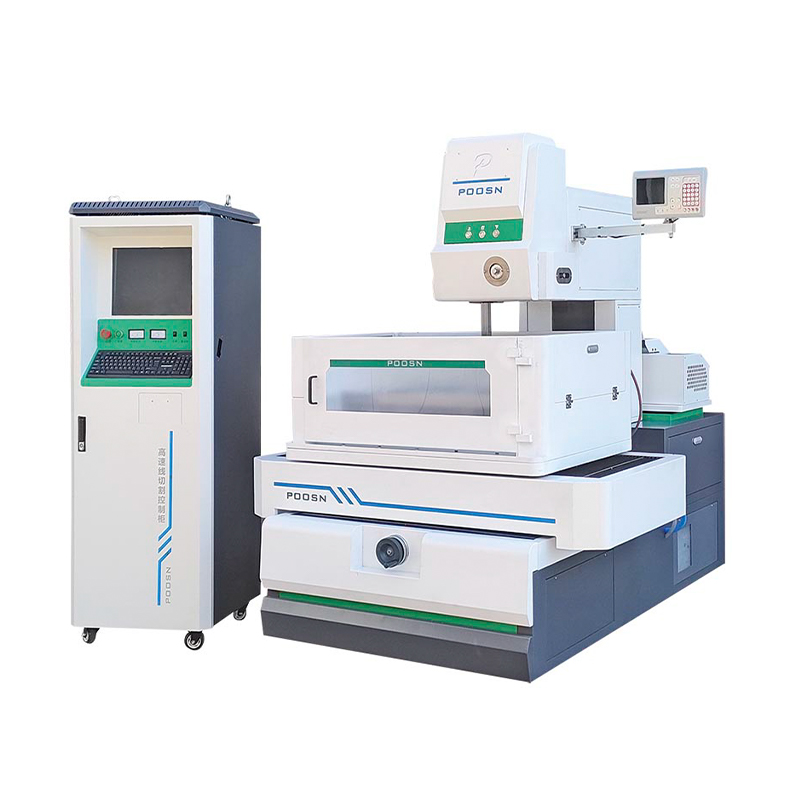
The DKD Large Cutting Taper WEDM is a high-precision CNC machine designed for cutting large, thick workpieces with a tapered profile. It utilizes a thin electrically conductive wire (often brass or molybdenum) to erode material in a dielectric fluid, allowing for intricate geometries and tight tolerances.
Key Advantages:
High Precision: Capable of achieving surface roughness as low as Ra 0.05μm and positional accuracy within ±0.01mm to ±0.02mm, depending on the model and configuration.
Large Taper Cutting: Designed specifically for cutting large taper angles (up to ±45°) on thick workpieces (up to 400mm or more), which is essential for molds, dies, and aerospace components.
Robust Construction: Equipped with high-load capacities (up to 400kg or more) and reinforced frames to handle the stresses of large taper cutting.
2. Technical Specifications
| Specification | Typical Range / Value | Details |
|---|---|---|
| Workpiece Thickness | 300mm - 500mm (max) | Capable of cutting very thick sections, with some models supporting up to 600mm |
| Maximum Taper Angle | 0° to 45° (optional) | Standard models often start at ±6°/80mm, with options for larger angles up to ±45° |
| Wire Diameter | 0.08mm - 0.30mm | Supports a wide range of wire sizes for different material removal rates and surface finishes |
| Maximum Workpiece Weight | 400kg - 2000kg (model dependent) | Heavy-duty models can support up to 2,000kg, ensuring stability during long cuts |
| Surface Roughness (Ra) | ≤ 0.05μm (high-end) | High-quality finish achievable, especially with fine wires and optimized parameters |
| Positional Accuracy | ≤ 0.01mm - 0.02mm | High-precision linear guides and glass scales contribute to tight tolerances |
| Power Consumption | 1.5kW - 3.0kW | Energy-efficient designs with options for 3-phase or single-phase power |
| Travel Axes | X/Y: up to 900mm, U/V: up to 620mm | Large travel ranges to accommodate big parts and complex taper cuts |
| Control System | Autocut, Wincut, HL, HF | Advanced CNC control options with features like automatic wire threading (AWT) and fine pick-up functions |
3. Key Features & Options Buyers Look For
When evaluating a DKD Large Cutting Taper WEDM, buyers typically compare the following features:
Taper Cutting Mechanism
Standard vs. Big Taper: Some models (e.g., DK7763 Big Taper) are optimized for larger angles, while others (e.g., DK7732) focus on standard 6°/80 mm cuts.
Flexibility: Options for ±30°, ±45°, or even custom angles are often available as factory upgrades.
Wire Handling System
Automatic Wire Threader (AWT): Essential for reducing downtime during wire changes.
Wire End Remover & Chopper: Improves safety and precision, especially for fine wires.
Dielectric Management
High‑Efficiency Flushing: Critical for taper cuts where fluid flow can be less uniform.
Cooling Units: Integrated dielectric cooling to maintain temperature stability.
Control & Automation
PC‑Based CNC with USB/LAN ports for easy program transfer.
Fine Pick‑Up Function (FTII): Enhances wire tension control for delicate cuts.
Optional 6/8‑Axis Simultaneous Control: Enables complex 3D machining beyond simple tapering.
4. Buying Guide: What to Consider
| Consideration | Why It Matters | Recommendations |
|---|---|---|
| Taper Angle Requirement | Determines the machine’s geometry and attachment needs | Choose a model with a standard taper (e.g., ±6°) if your needs are moderate, or opt for a custom ±30°/±45° attachment for specialized applications |
| Workpiece Size & Weight | Affects machine stability and travel requirements | Verify that the X/Y travel and load capacity exceed your largest part dimensions |
| Wire Material Compatibility | Different wires (brass, molybdenum) affect cutting speed and surface finish | For high-speed cutting, consider molybdenum wire; for fine finishes, use thinner brass wires |
| Control System Preference | Impacts ease of programming and integration with CAD/CAM | Look for machines with Wincut or HL systems if you need advanced CNC capabilities |
| After-Sales Support | Essential for minimizing downtime | Verify warranty terms (e.g., 10-year positioning accuracy warranty) and availability of local service technicians |
5. Applications
The DKD Large Cutting Taper WEDM is a versatile tool used across multiple high-precision industries. Its ability to cut thick workpieces with a tapered profile makes it indispensable for complex component manufacturing.
| Industry | Typical Applications | Benefits of Using DKD Large Cutting Taper WEDM |
|---|---|---|
| Aerospace | Machining turbine blades, compressor housings, and structural components with complex taper angles. | Enables the creation of intricate 3D taper profiles that meet tight aerodynamic tolerances and high-strength requirements. |
| Automotive | Production of engine blocks, transmission components, and custom molds for prototyping. | Allows for rapid prototyping of molds with high surface quality, reducing lead times for new vehicle components. |
| Mold & Die Making | Cutting large molds for injection molding, die-casting, and embossing. | Provides high-precision taper cuts, essential for multi-cavity molds that require consistent part release angles. |
| Tool & Die Industry | Manufacturing of cutting tools, drills, and specialized dies for metalworking. | Facilitates the creation of complex tool geometries that would be difficult or impossible with traditional grinding. |
| Medical Devices | Production of surgical instruments and implants made from hard alloys. | Offers the ability to cut high-hardness materials (like titanium alloys) with minimal thermal distortion. |
| Energy & Power | Fabrication of components for turbines, generators, and high-voltage equipment. | Enables the machining of large, heavy components while maintaining strict dimensional accuracy. |
6. Comparison with Other Machines
When evaluating the DKD Large Cutting Taper WEDM against other types of EDM and cutting machines, it's essential to consider factors such as cutting depth, taper capability, and material compatibility.
| Feature | DKD Large Cutting Taper WEDM | Standard Wire EDM (Non-Taper) | Conventional EDM (Sinker EDM) |
|---|---|---|---|
| Maximum Workpiece Thickness | Up to 400-500mm (some models up to 600mm) | Typically up to 250-300mm | Up to 200mm (varies by model) |
| Taper Cutting Capability | Up to 6°/80mm standard; custom options up to ±30°/±45° | No taper cutting capability | No taper cutting capability |
| Maximum Load Capacity | 400kg - 2000kg (model dependent) | 200kg - 500kg | 200kg - 500kg |
| Typical Surface Finish (Ra) | 0.05μm (high-end) - 0.4μm | 0.1μm - 0.5μm | 0.1μm - 0.4μm |
| Typical Materials | Hardened steel, titanium alloys, carbide, exotic alloys | Similar to taper WEDM, but limited by thickness | Conductive materials, similar to wire EDM |
| Complexity of Setup | Higher due to taper angle adjustments and larger workpiece handling | Moderate | Lower (simpler setup) |
| Cost | Higher (due to larger frame, advanced hydraulics, and taper mechanisms) | Moderate | Lower |
7. Maintenance Protocols & Operational Best Practices
Proper maintenance is crucial for preserving the high precision and longevity of a large taper WEDM. The following schedule outlines routine tasks:
7.1 Daily & Weekly Maintenance
| Frequency | Task | Rationale |
|---|---|---|
| Daily | Check dielectric fluid level and temperature | Ensures consistent spark generation and prevents overheating. |
| Inspect wire tension and alignment | Prevents wire breakage and maintains cut accuracy, especially critical for fine wires (≤0.1 mm). | |
| Clean the workpiece clamping area | Removes debris that could affect positioning accuracy. | |
| Weekly | Run a lubrication cycle for linear axes | Greases the guideways, preventing wear and maintaining ±0.01 mm positioning accuracy. |
| Inspect and clean wire guiding rollers and tubes | Reduces friction and wire wear. | |
| Backup CNC control settings | Safeguards programming data against system failures. |
7.2 Monthly & Annual Maintenance
| Frequency | Task | Rationale |
|---|---|---|
| Monthly | Scrape and clean the bottom of the dielectric tank | Prevents buildup of debris that can cause short circuits or spark instability. |
| Sharpen wire cutter blades | Ensures clean wire termination, reducing the risk of wire fraying. | |
| Clean chiller filters and fans | Maintains efficient cooling of both the machine and dielectric fluid. | |
| Annually | Flush and replace the dielectric fluid | Removes contaminants that can cause surface discoloration or recast layers. |
| Perform a full system diagnostic via the CNC interface | Checks for firmware updates, sensor calibrations, and overall system health. |
7.3 Consumable Management
Wire Selection: Use high-quality brass or copper wire to reduce breakage. While premium wire is costlier, it often leads to longer runs and finer cuts, improving overall productivity.
Dielectric Fluid: Opt for high-purity deionized water. Regular filtration and occasional full fluid replacement are essential to prevent conductive deposits that can affect spark consistency.
8. Competitor Landscape & Differentiators
When evaluating the DKD large taper WEDM against other market options, consider the following comparative factors:
| Feature | DKD Large Cutting Taper WEDM | Typical Wire EDM (Standard) | Sinker EDM (Alternative) |
|---|---|---|---|
| Primary Cutting Principle | Thin wire electrode, continuous cut, ideal for 3D taper profiles | Same principle, but usually limited to vertical cuts or small angles | Uses a shaped electrode (often copper), suitable for complex cavities but not continuous cuts |
| Taper Cutting Capability | Highly capable: Designed for angles up to ±45°, with some models supporting custom angles up to 80 mm over the workpiece | Limited: Typically supports small auxiliary tilts (±6°/80 mm) | Limited: Primarily for vertical or slightly inclined cuts, not optimized for large taper angles |
| Material Compatibility | Conductive metals (steel, titanium, Inconel), limited with highly conductive materials (e.g., copper, aluminum) due to wire breakage risk | Similar range, but may lack the rigidity needed for very large workpieces | Broader: Can process both conductive and some non-conductive materials, but with lower precision for fine features |
| Cutting Speed | Moderate: Optimized for precision over speed, especially on thick sections | Generally faster on thin sections, but may struggle with large, heavy workpieces | Faster for bulk material removal, but slower for fine detail and finishing |
| Precision & Surface Finish | Excellent: Positioning accuracy up to ±0.01 mm, surface roughness (Ra) ≤ 1.0 µm for fine cuts | Comparable for vertical cuts, but may experience slight tapering errors on inclined cuts | High, but often leaves a thicker recast layer requiring additional post-processing |
9. ROI & Cost-Benefit Analysis
Investing in a DKD large cutting taper WEDM can be justified through several financial and operational lenses:
9.1 Direct Cost Savings
| Cost Factor | Impact |
|---|---|
| Reduced Secondary Operations | By achieving near-net shape in a single pass, the need for milling, grinding, or EDM sinking is minimized, cutting labor and tool wear costs. |
| Material Utilization | Precise taper cuts reduce scrap, especially important when working with expensive superalloys (e.g., Inconel, Ti‑6Al‑4V). |
| Energy Efficiency | Modern DKD models feature optimized power consumption (1.5 kW – 3.0 kW) and efficient dielectric circulation, lowering operational electricity costs. |
9.2 Indirect Benefits
| Benefit | Description |
|---|---|
| Market Differentiation | Ability to produce complex aerospace or medical components (e.g., turbine blades, surgical tools) can open high-margin market segments. |
| Lead Time Reduction | Faster turnaround from design to finished part (often within days) enhances customer satisfaction and can command premium pricing. |
| Scalability | The machine’s capacity to handle larger workpieces means you can consolidate multiple smaller jobs into a single setup, improving shop floor efficiency. |
10. Real-World Applications & Case Studies
10.1 Aerospace Component Manufacturing
Wire EDM, particularly with taper capabilities, is a cornerstone technology in aerospace for producing components that endure extreme conditions.
Material Processing: The technology excels at cutting high-temperature alloys such as Inconel, Titanium, and Nickel-based superalloys, which are essential for turbine blades and high-pressure components.
Precision Requirements: Aerospace parts often demand tight tolerances (±0.01 mm) and superior surface finishes (Ra ≤ 1 µm) to ensure aerodynamic efficiency and fatigue resistance. DKD’s large taper machines meet these stringent specifications.
Cost Efficiency: By reducing the need for secondary machining (e.g., grinding or milling), manufacturers can significantly cut down on production cycles and material waste, which is critical given the high cost of aerospace-grade materials.
10.2 Medical Device Prototyping
While the primary focus of large taper WEDM is on large, heavy components, the precision and flexibility also benefit the medical sector.
Complex Geometry: Enables the creation of intricate surgical tools and implant prototypes with complex internal channels or tapered features that are difficult to achieve with traditional machining.
Material Compatibility: Suitable for biocompatible metals like Stainless Steel 316L, Titanium, and Cobalt-Chrome, ensuring high-quality surface finishes essential for implant longevity.
11. Ordering & Customization Checklist
When preparing to purchase a DKD Large Cutting Taper WEDM, use this checklist to ensure you specify the right configuration:
1.Define Maximum Workpiece Dimensions: Confirm the required length, width, height, and weight capacity (e.g., 2 m x 1.5 m x 0.5 m, 300 kg).
2.Specify Taper Requirements: Determine the maximum taper angle needed (e.g., ±30°, ±45°) and any custom angle specifications beyond standard models.
3.Select Wire Size Range: Choose the minimum wire diameter required for your applications (e.g., 0.08 mm for fine features).
4.Control System Preference: Decide between CNC controllers (e.g., Autocut, HL, HF, WinCut) based on your existing CAD/CAM workflow.
5.Maintenance Package: Inquire about service contracts covering annual fluid replacement, filter cleaning, and spare parts (e.g., linear guides, glass scales).
12. Advanced Troubleshooting & Diagnostic Protocols
Even with routine maintenance, unexpected faults can arise. The following structured approach helps isolate and resolve issues efficiently:
12.1 Systematic Fault Isolation
| Symptom | Likely Root Cause | Diagnostic Steps | Immediate Action |
|---|---|---|---|
| Frequent Wire Breaks | Excessive tension, contaminated dielectric, or worn wire guide tubes | 1. Verify wire tension (should be within manufacturer spec). 2. Inspect dielectric conductivity (daily test recommended). 3. Examine guide tubes for chips or wear. | Reduce tension, replace fluid if conductivity >15 µS/cm, clean/replace guide tubes. |
| Irregular Sparks / Arcing | Dielectric bubbles, clogged nozzles, or misaligned workpiece | 1. Scrape tank bottom to remove debris. 2. Check nozzle pressure and clean filters. 3. Verify workpiece clamping and alignment. | Flush tank, replace filters, re‑clamp workpiece. |
| Positional Drift | Linear axis wear, temperature fluctuation, or sensor miscalibration | 1. Run a positioning accuracy test (machine’s built‑in diagnostic). 2. Inspect linear bearings and lubrication levels. 3. Check ambient temperature stability. | Re‑lubricate axes, replace worn bearings, ensure climate control. |
| Software Crashes | Corrupt CNC program, outdated firmware, or hardware communication error | 1. Backup current program. 2. Reboot CNC controller. 3. Verify firmware version (update if >2 years old). | Restore program from backup, schedule firmware update. |
12.2 Remote Monitoring & Predictive Maintenance
Modern DKD machines support IoT‑enabled diagnostics. By integrating the machine’s API with a plant‑wide MES (Manufacturing Execution System), you can:
Track real‑time spindle load to predict wire fatigue.
Log dielectric temperature trends to pre‑empt overheating.
Schedule automatic service tickets when vibration thresholds are exceeded.
13. CAD/CAM Integration & Workflow Optimization
Seamless data flow from design to cut is critical for large taper parts.
13.1 Preferred Software Stack
| Stage | Recommended Tool | Key Feature |
|---|---|---|
| Design | SolidWorks / CATIA | Native support for complex 3D surfaces and taper angles. |
| CAM Preparation | Autocut (DKD’s native CAM) / Esprit CAM | Generates optimized wire path, automatically compensates for wire diameter and taper angle. |
| Post‑Processing | WinCut / HF | Converts toolpaths into machine‑specific NC code, supports multi‑axis synchronization for U/V tilt. |
13.2 Data Transfer Best Practices
Export as STEP (AP203) to preserve geometric tolerances.
Avoid STL for precision parts – STL triangulation can introduce errors >0.1 mm, unacceptable for aerospace tolerances.
Use “Wire‑Cut” simulation mode in CAM to visualize taper angles and detect potential wire‑over‑run before machining.
14. Safety, Compliance, & Environmental Considerations
Operating a large‑scale EDM involves high voltages, pressurized fluids, and heavy workpieces.
14.1 Core Safety Protocols
| Hazard | Mitigation |
|---|---|
| Electrical Shock | Install RCD (Residual Current Device) with ≤30 mA trip threshold. Ground all conductive components. |
| Dielectric Fluid Exposure | Provide PPE (gloves, goggles). Ensure proper ventilation; avoid inhalation of aerosolized particles. |
| Mechanical Injury | Use lock‑out/tag‑out procedures when changing workpieces. Verify that the workpiece is securely clamped before starting the cycle. |
| Noise | Install acoustic enclosures or provide ear protection; large machines can exceed 85 dB(A). |
14.2 Environmental Impact & Waste Management
Dielectric Fluid: While deionized water is non‑toxic, it becomes contaminated with metal ions. Implement a fluid reclamation system to filter and reuse up to 90 % of the fluid, reducing both cost and wastewater discharge.
Wire Waste: Collect spent brass/copper wire for recycling; metal recovery rates exceed 95 % for high‑purity scrap.
15. Training, Support, & Knowledge Transfer
A successful deployment hinges on skilled personnel and reliable vendor support.
15.1 Operator Training Program
| Module | Duration | Core Competencies |
|---|---|---|
| Safety & Basics | 1 day | Machine safety, emergency procedures, basic UI navigation. |
| Advanced Programming | 2 days | 5‑axis toolpath creation, taper compensation, spark waveform interpretation. |
| Maintenance & Troubleshooting | 1 day | Routine checks, wire break analysis, coolant system care. |
| Data Analytics & Optimization | 1 day | Using built‑in dashboards, interpreting performance metrics, basic AI‑assist features. |
| Certification | — | Operators receive a competency certificate recognized by DKD. |
15.2 Vendor Support & Service Level Agreements (SLAs)
| Service | Standard SLA | Recommended Upgrade |
|---|---|---|
| Remote Diagnostics | 4 hours response | 2 hours (critical for high‑mix production). |
| On‑Site Technician | 48 hours | 24 hours (for large‑scale facilities). |
| Spare Parts Kit | Optional | Recommended: includes wires, filters, and critical electronics. |
| Software Updates | Quarterly | Monthly (for AI/ML modules). |
| Training Refreshers | Annually | Semi‑annually (to keep pace with software upgrades). |
16. Strategic Recommendations & Next Steps
Based on the technical capabilities, market trends, and financial analysis, the following actions are advised:
1.Pilot Deployment: Start with a single DKD unit focused on a high‑value, high‑tolerance component (e.g., turbine blade root). This limits risk while providing measurable data.
2.Process Integration: Pair the EDM machine with a digital twin of the part. Use simulation to predict optimal parameters before each run, reducing trial‑and‑error.
3.Data‑Driven Optimization: Leverage the machine’s data export capabilities to feed into a predictive maintenance platform. This will further reduce wire break incidents and extend component life.
4.Skill Development: Invest in cross‑training operators in both CAM programming and data analytics. This dual skill set maximizes the ROI of the advanced features.
5.Future‑Proofing: Consider modular upgrades (e.g., higher‑capacity dielectric filtration, AI‑assisted spark control) as part of the long‑term roadmap.
17. Risk Management & Mitigation Strategies
A proactive risk framework ensures operational resilience and protects the investment.
| Risk Category | Potential Impact | Mitigation Measures |
|---|---|---|
| Technical Failure (e.g., axis motor fault) | Production downtime, costly repairs | Redundancy: Dual‑motor configurations for critical axes; Predictive Maintenance using vibration analysis. |
| Operator Skill Gap | Sub‑optimal part quality, increased scrap | Continuous Training: Quarterly refresher courses; Simulation‑Based Learning for complex scenarios. |
| Supply Chain Disruption (wire, dielectric fluid) | Production halt | Strategic Stockpiling: Minimum 3‑month inventory; Multi‑Source Procurement for critical consumables. |
| Regulatory Changes (environmental, safety) | Compliance costs, retrofitting | Compliance Audits: Annual internal reviews; Modular Upgrades (e.g., filtration) to meet new standards. |
| Data Security (connected machines) | Intellectual property theft | Network Segmentation: Isolate machine control network; Encryption for data transmission. |
18. Environmental & Compliance Considerations
Modern manufacturing must align with ESG (Environmental, Social, Governance) goals.
18.1 Waste Management & Recycling
Dielectric Fluid: Implement a closed‑loop filtration system to extend fluid life by 40 % and reduce hazardous waste disposal costs.
Wire Recycling: Establish a copper recovery program for used wire, turning waste into a revenue stream.
18.2 Energy Efficiency
Regenerative Braking: Advanced servo drives can feed kinetic energy back into the grid during rapid deceleration phases, reducing overall power consumption.
Smart Scheduling: Run high‑energy operations during off‑peak electricity hours to lower carbon footprint and operational costs.
18.3 Safety & Regulatory Compliance
EMI Shielding: Ensure the machine meets IEC 61000 standards for electromagnetic compatibility, protecting nearby sensitive equipment.
Noise Control: Install acoustic enclosures or dampening materials to comply with OSHA noise exposure limits.
19. Accessories & Optional Upgrades
To maximize the performance of your DKD Large Cutting Taper WEDM, consider the following accessories:
| Accessory | Function | Recommended For |
|---|---|---|
| Automatic Wire Threading (AWT) Unit | Automates the wire feeding process, reducing manual labor. | High-volume production environments. |
| Advanced Flushing System | High-pressure dielectric delivery for improved spark stability. | Cutting hard materials or deep taper cuts. |
| Rotary Table (WS4P/5P) | Enables 5-axis simultaneous control for complex 3D geometries. | Aerospace and mold-making applications. |
| Wire Tension Monitoring System | Real-time monitoring and automatic adjustment of wire tension. | Precision-critical operations. |
| Dielectric Fluid Recycling Unit | Filters and recycles used dielectric fluid. | Reduces operating costs and environmental impact. |
| Thermal Compensation Module | Adjusts for thermal expansion during long machining cycles. | Large workpieces and long-duration cuts. |
20. Frequently Asked Questions (FAQs)
| Question | Typical Answer |
|---|---|
| Can the machine cut angles greater than 45°? | Standard models usually max out at ±45°. For angles beyond this, custom mechanisms or specialized machines are required. |
| What material thickness can be tapered? | Most large taper models handle 40 mm – 80 mm thickness for standard angles, with some capable of up to 100 mm or more for shallow angles. |
| Is a separate water cooling system needed? | Yes, high‑power taper cuts generate significant heat. Most machines include an integrated dielectric cooling unit. |
| Can I use the machine for vertical (non‑taper) cuts? | Absolutely. Taper machines are essentially vertical WEDM with added tilt capability, so they can perform standard cuts as well. |
| How does the price compare to a standard WEDM? | Large cutting taper machines are typically 20‑40% more expensive than standard vertical WEDM due to the larger frame, additional axes, and enhanced control systems. |
21. Quick Reference Checklist
| Area | Action Item | Frequency |
|---|---|---|
| Pre‑Run | Verify dielectric conductivity (10‑15 µS/cm) and temperature (20‑25 °C). | Daily |
| Setup | Confirm workpiece clamp integrity; run a dry test cycle. | Per job |
| During Run | Monitor spark stability; watch for wire tension fluctuations. | Continuous |
| Post‑Run | Scrape tank bottom; back up CNC program; log any anomalies. | End of each job |
| Monthly | Lubricate linear axes; clean chiller filters; sharpen cutter blades. | Monthly |
| Annually | Full fluid replacement; professional calibration; firmware update. | Yearly |
-
Phone
+86-0523-86268788 +86-13815960366 +86-13912191163Email
[email protected]Address
No. 366, Yusheng Road Jiulong Town, Hailing District Taizhou City, China
Copyright © Taizhou Xinchengyang Machinery Manufacturing Co., Ltd. All Rights Reserved.
Custom edm machine for sale
wholesale edm machine manufacturers
