

 English
 русский
 عربى
عربى

Industry News
What Is an EDM Cutting Machine and How Does It Work?
2026-03-31
Content
- 1 Direct Answer: What Is an EDM Cutting Machine and How Does It Work
- 2 How an EDM Cutting Machine Works
- 3 Key Types of EDM Cutting Machines
- 4 Materials Suitable for EDM Cutting Machine
- 5 Performance Overview of EDM Cutting Machine
- 6 Advantages of Using an EDM Cutting Machine
- 7 Common Applications of EDM Cutting Machine
- 8 EDM Cutting Machine FAQs
Direct Answer: What Is an EDM Cutting Machine and How Does It Work
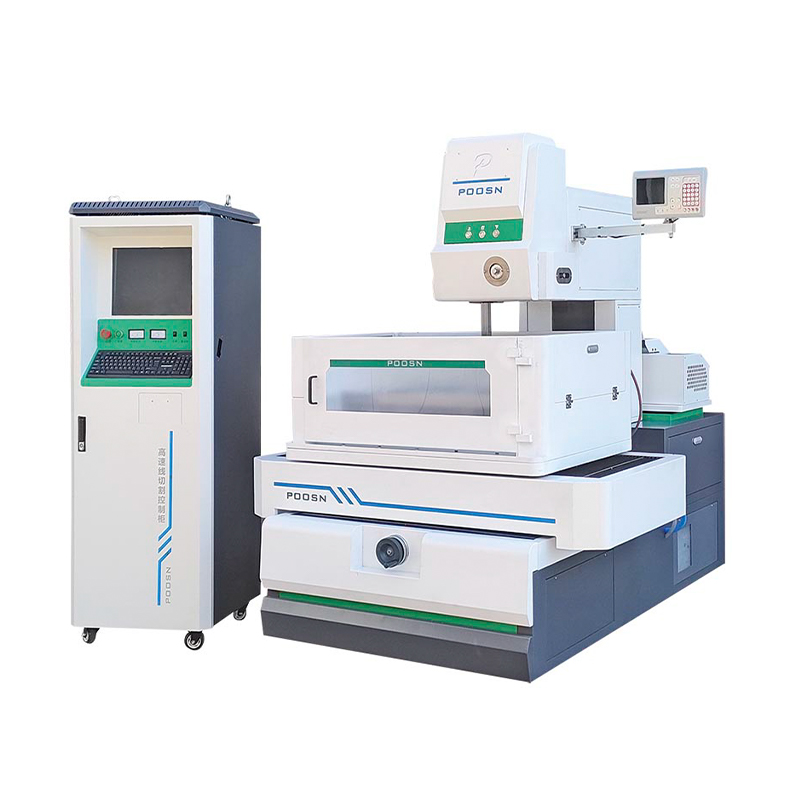
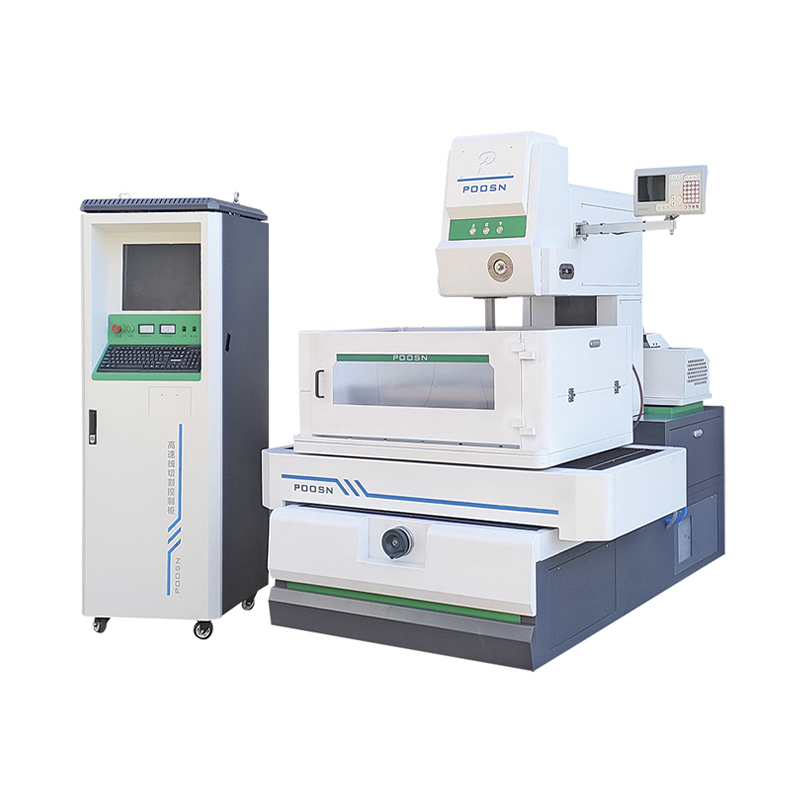
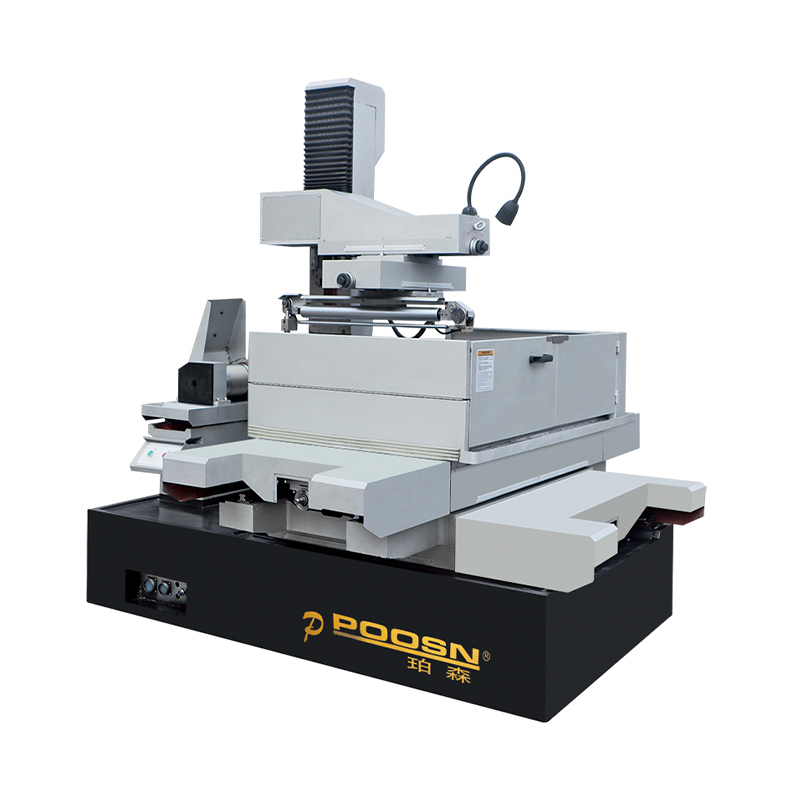
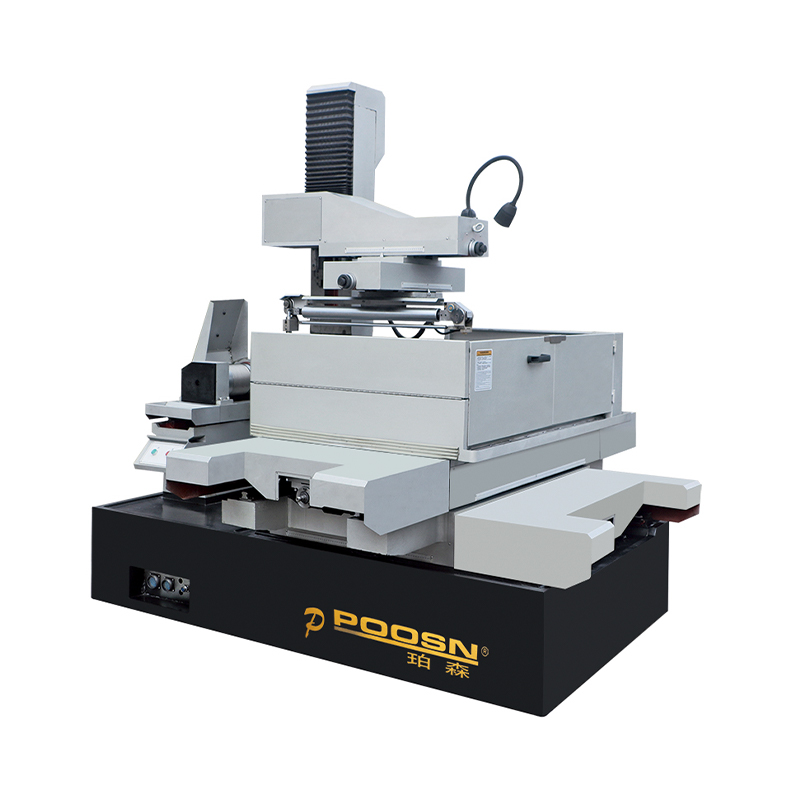
An EDM cutting machine is a precision machining tool that removes material using electrical discharges (sparks) instead of physical cutting. It works by generating controlled sparks between an electrode and a conductive workpiece, eroding the material with extreme accuracy. This process allows tolerances as tight as ±0.002 mm, making it ideal for complex and high-precision components.
How an EDM Cutting Machine Works
The working principle of an edm cutting machine is based on electrical spark erosion. The tool and workpiece are submerged in a dielectric fluid, typically deionized water or oil, which acts as an insulator until voltage is applied.
- A voltage difference is created between the electrode and the workpiece
- A spark jumps across the gap when the dielectric breaks down
- The spark generates heat up to 10,000°C, melting and vaporizing material
- The dielectric fluid flushes away debris and cools the area
This cycle repeats thousands of times per second, gradually shaping the workpiece without direct contact.
Key Types of EDM Cutting Machines
There are several types of edm cutting machine technologies, each suited for specific applications:
| Type | Method | Best Use |
|---|---|---|
| Wire EDM | Thin wire cuts material | Complex shapes and fine cuts |
| Sinker EDM | Custom electrode shapes | Molds and cavities |
| Hole Drilling EDM | High-speed drilling | Micro holes |
Materials Suitable for EDM Cutting Machine
An edm cutting machine can process any electrically conductive material regardless of hardness.
- Hardened steel up to 70 HRC
- Titanium alloys
- Tungsten and carbide
- Aluminum and copper alloys
This makes it especially useful where traditional cutting tools fail due to hardness or complexity.
Performance Overview of EDM Cutting Machine
The following chart illustrates the relationship between machining speed and precision in a typical edm cutting machine process.
Higher precision is typically achieved at lower cutting speeds, while faster machining may slightly reduce surface finish quality.
Advantages of Using an EDM Cutting Machine
- No mechanical force, preventing material deformation
- Ability to cut intricate geometries and sharp corners
- Excellent surface finish, often below Ra 0.8 µm
- Minimal tool wear compared to traditional machining
Common Applications of EDM Cutting Machine
EDM cutting machines are widely used in industries requiring high precision:
- Tool and die manufacturing
- Aerospace component machining
- Medical device production
- Automotive precision parts
EDM Cutting Machine FAQs
Q1: Can an edm cutting machine cut non-metal materials?
Only conductive materials can be processed.
Q2: Is EDM suitable for mass production?
It is better for precision and low-to-medium volume production.
Q3: Does EDM cause material stress?
No, because there is no direct contact during machining.
Q4: What affects EDM machining accuracy?
Factors include spark gap control, electrode quality, and machine stability.
-
Phone
+86-0523-86268788 +86-13815960366 +86-13912191163Email
[email protected]Address
No. 366, Yusheng Road Jiulong Town, Hailing District Taizhou City, China
Copyright © Taizhou Xinchengyang Machinery Manufacturing Co., Ltd. All Rights Reserved.
Custom edm machine for sale
wholesale edm machine manufacturers
