

 English
 русский
 عربى
عربى

Industry News
Home / News / Industry News / What materials is the DK-7725 high-speed wire EDM machine suitable for processing? A must-read for beginners.
What materials is the DK-7725 high-speed wire EDM machine suitable for processing? A must-read for beginners.
2026-05-05
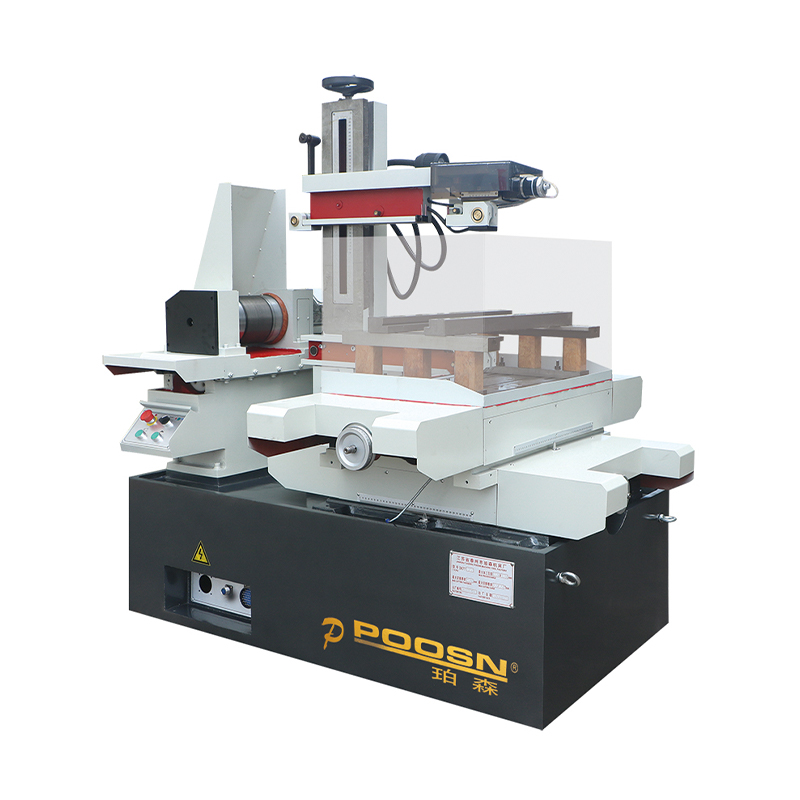
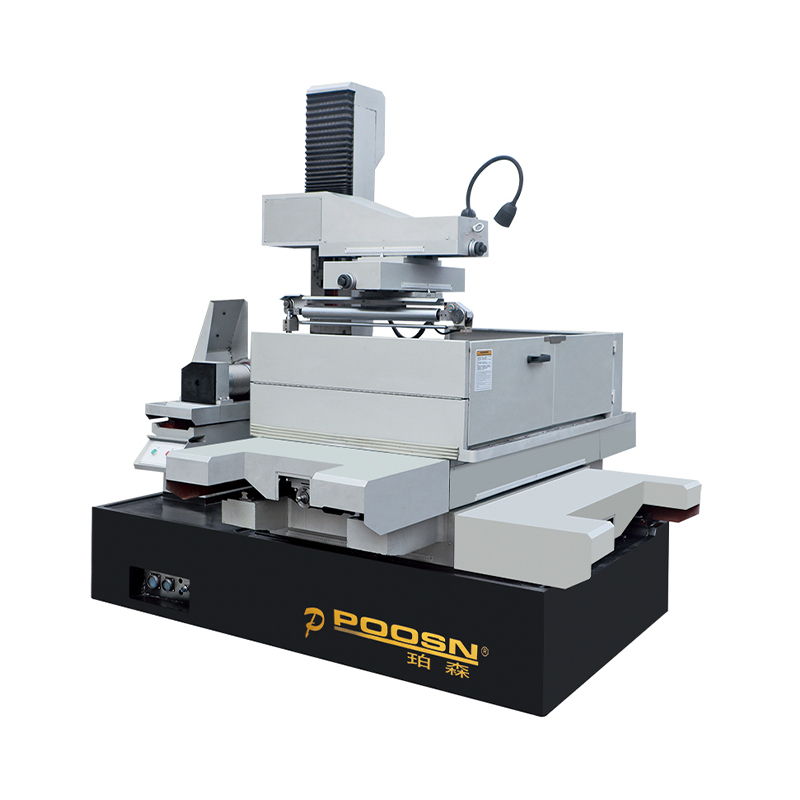
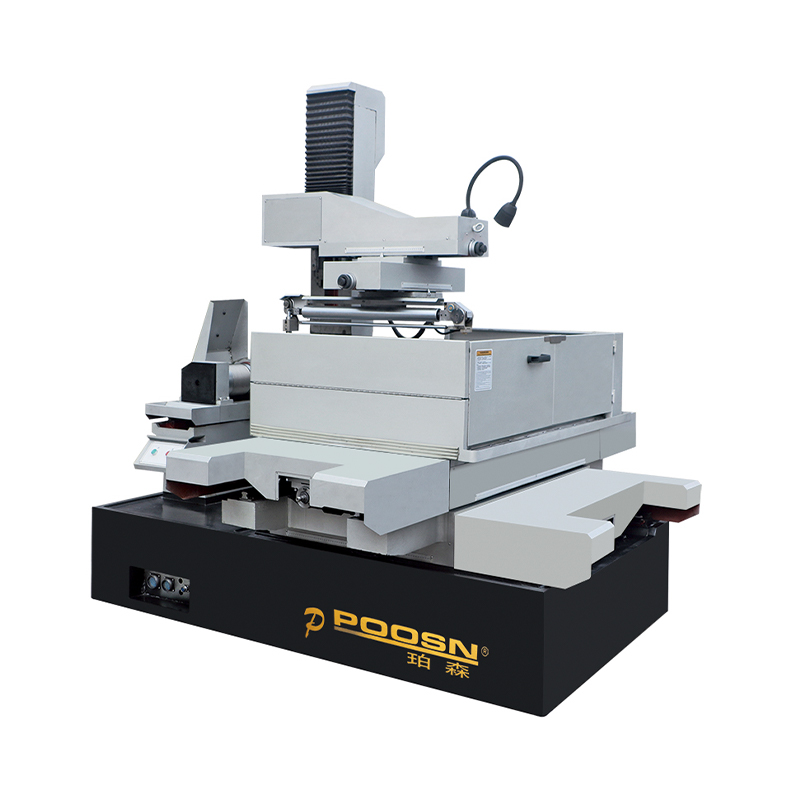
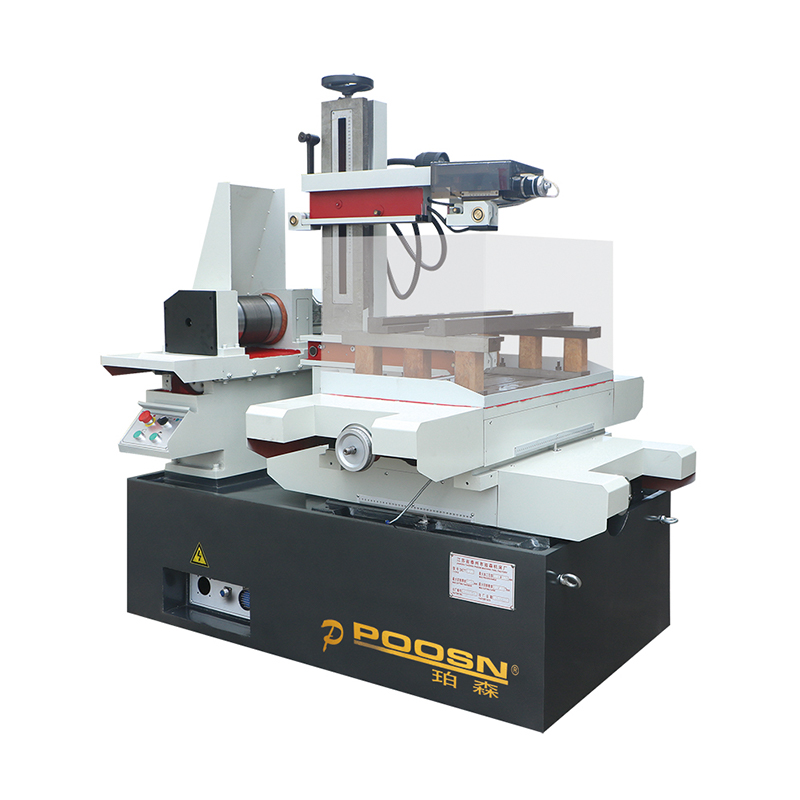
The DK-7725 High-Speed Wire EDM Machine is suitable for processing a wide range of electrically conductive materials, including hardened steel, die steel, high-speed steel, tungsten carbide, titanium alloys, copper, aluminum, and other conductive metals or alloys. It is especially well-suited for precision mold manufacturing, tool production, and complex contour cutting tasks that are difficult to achieve with conventional cutting tools.
As a product from a professional DK-7725 High-Speed Wire EDM Machine manufacturer, this machine combines stability, accuracy, and broad material compatibility — making it a practical choice for both first-time users and experienced machinists.
Content
- 1 What Materials Can the DK-7725 Process?
- 2 DK-7725 High-Speed Wire EDM Machine Parameters
- 3 DK-7725 Wire EDM Machining Accuracy: What to Expect
- 4 Applicable Materials for High-Speed WEDM: A Deeper Look
- 5 Typical Application Scenarios for Beginners
- 6 Beginner Tips: Setting Up for Different Materials
- 7 About Taizhou Xinchengyang Machinery Manufacturing Co., Ltd
- 8 Frequently Asked Questions
What Materials Can the DK-7725 Process?
The core principle of wire EDM is electrical discharge erosion — meaning the machine can process any material that conducts electricity, regardless of hardness. Below is a breakdown of commonly processed materials:
| Material Category | Typical Examples | Typical Hardness (HRC) | Suitability |
|---|---|---|---|
| Tool & Die Steel | Cr12, SKD11, D2, H13 | 55–65 | Excellent |
| High-Speed Steel | M2, W18Cr4V | 60–68 | Excellent |
| Tungsten Carbide | YG8, YT15, WC-Co | ≥80 HRA | Good |
| Stainless Steel | 304, 316, 17-4PH | 20–45 | Excellent |
| Titanium Alloys | Ti-6Al-4V | 30–40 | Good |
| Copper & Brass | Red copper, H62 brass | — | Very Good |
| Aluminum Alloys | 6061, 7075 | — | Good |
Note: Non-conductive materials such as ceramics, plastics, and glass cannot be processed by wire EDM without special conductive coating treatments.
DK-7725 High-Speed Wire EDM Machine Parameters
Understanding the technical specifications of the DK-7725 helps users match the machine to their actual processing needs. Below are the key parameters commonly associated with the DK-7725 series from professional DK-7725 High-Speed Wire EDM Machine factories:
| Parameter | Specification |
|---|---|
| Table Working Area | 250 × 320 mm |
| Max Workpiece Thickness | 200 mm |
| XY Travel | 250 × 320 mm |
| Wire Diameter | 0.18 mm (molybdenum wire) |
| Max Cutting Speed | ≥80 mm²/min |
| Surface Roughness (Ra) | ≤2.5 μm |
| Machining Accuracy | ±0.01 mm |
| Max Load Capacity | 150 kg |
| Control System | CNC / Automatic programming |
DK-7725 Wire EDM Machining Accuracy: What to Expect
One of the key reasons users — from individual workshops to industrial buyers seeking a reliable DK-7725 High-Speed Wire EDM Machine supplier — choose this model is its consistent machining accuracy.
- Dimensional tolerance: ±0.01 mm under standard cutting conditions, which meets the requirements for most precision mold parts and tooling.
- Surface roughness Ra ≤ 2.5 μm achievable with optimized parameters on steel workpieces.
- Repositioning accuracy is typically within 0.005 mm, ensuring consistent results across batch production.
- The cutting slit width is approximately 0.20–0.22 mm when using a 0.18 mm molybdenum wire, which is important to account for in programming offsets.
These figures make the DK-7725 a practical option for small die parts, precision templates, sample-cutting, and short-run production where dimensional consistency matters.
Applicable Materials for High-Speed WEDM: A Deeper Look
When evaluating applicable materials for high-speed WEDM, the key factor is electrical conductivity. However, specific material properties influence how cutting should be set up:
Hardened Steel and Die Steel
Hardened tool steels such as Cr12MoV and SKD11 are among the most common workpiece materials for the DK-7725. Even at hardness levels above HRC 60, EDM does not transmit mechanical cutting forces, so the material hardness does not limit processability. This makes the DK-7725 ideal for finishing hardened mold components after heat treatment, eliminating distortion risks.
Tungsten Carbide
Tungsten carbide (WC-Co alloy) is extremely hard (HRA ≥ 80) and virtually unmachinable by conventional methods. Wire EDM processes it effectively, though cutting speed is lower — typically 30–50% of the rate for steel at equivalent thickness. It's widely used for carbide punches, drawing dies, and hard-alloy templates.
Titanium Alloys
Titanium alloys are difficult to machine conventionally due to their low thermal conductivity and work-hardening tendency. High-speed WEDM handles titanium effectively, with the main consideration being adequate flushing to remove chips and prevent surface oxidation.
Copper and Aluminum
Copper and aluminum are highly conductive, which generally results in faster cutting speeds compared to steel. However, their low melting points mean that discharge parameters should be set conservatively to avoid surface burning or wire breakage. These materials are commonly used in electrical contacts, heat sinks, and prototype parts.
Typical Application Scenarios for Beginners
If you are new to wire EDM and sourcing from DK-7725 High-Speed Wire EDM Machine suppliers or wholesalers, here are common real-world applications to help you understand where this machine delivers the most value:
- Stamping molds and blanking dies: Cutting hardened steel punch and die sets with intricate profiles and tight tolerances.
- Plastic injection mold inserts: Producing narrow slots, narrow ribs, and fine-featured cavities in P20 or H13 tool steel.
- Gear and sprocket profiles: Cutting fine-pitch gears from hardened steel blanks where grinding or milling would be impractical.
- Sample and prototype parts: Quickly cutting small batches of precision metal parts from CAD drawings without fixture investment.
- Carbide tooling: Shaping cemented carbide blanks into custom cutting inserts or wear-resistant components.
Beginner Tips: Setting Up for Different Materials
For those new to operating machines from a DK-7725 High-Speed Wire EDM Machine factory, here are practical starting guidelines by material type:
- Steel (general): Use medium pulse width (ON time ~10–20 μs), moderate peak current (4–6 A), and sufficient working fluid flow. This covers most mold steel grades effectively.
- Tungsten carbide: Reduce peak current to 2–4 A to minimize surface cracking. Longer off-time helps prevent micro-cracking from thermal shock.
- Copper: Short ON time with high frequency; increase fluid flow to manage thermal buildup. Watch for wire breakage at higher current settings.
- Aluminum: Use lower current and higher fluid pressure. Aluminum swarf can accumulate and cause short-circuits if flushing is insufficient.
- Titanium: Prioritize stable fluid delivery. Titanium has low conductivity relative to density — slightly increased ON time usually compensates.
About Taizhou Xinchengyang Machinery Manufacturing Co., Ltd
Taizhou Xinchengyang Machinery Manufacturing Co., Ltd is a professional EDM equipment manufacturer with years of accumulated experience in the research, development, and production of electrical discharge machining and special processing technologies. The company maintains strong technical capabilities, advanced processing equipment, comprehensive testing methods, and rational product design.
All products are strictly manufactured in accordance with national standards, with each machine tool undergoing positioning accuracy testing to ensure high-quality output. As a recognized DK-7725 High-Speed Wire EDM Machine exporter, the company's main product lines include:
- PS-C and DK77-BC series — medium-speed wire-cutting EDM machines
- DK77-A and DK77-B series — high-speed wire-cutting EDM machines
- DK77-D series — large-taper wire-cutting EDM machines
Products are sold nationwide, with select models exported to Southeast Asia, West Asia, Europe, and the Americas. Guided by the principle of "Quality First, Customer Supreme," the company is committed to serving customers with the utmost sincerity, with market orientation and a focus on fulfilling user needs at every stage.
Frequently Asked Questions
Q1: Can the DK-7725 cut non-metallic materials like ceramics or plastics?
No. Wire EDM requires the workpiece to be electrically conductive. Non-conductive materials such as ceramics, glass, and standard plastics cannot be processed unless specially coated with a conductive layer.
Q2: What is the maximum thickness the DK-7725 can process?
The standard maximum workpiece thickness is 200 mm. Thicker workpieces may require reduced cutting speed and optimized flushing to maintain accuracy and prevent wire breakage.
Q3: Is the DK-7725 suitable for mass production or only prototyping?
The DK-7725 is well suited for both small-batch precision production and prototype development. Its CNC control system allows repeated cutting of identical profiles with consistent accuracy, making it practical for both scenarios.
Q4: What wire electrode is used in the DK-7725, and how often should it be replaced?
The DK-7725 uses 0.18 mm molybdenum wire, which is the standard for high-speed WEDM. Wire is continuously recycled through the machine (reciprocating wire travel), so it gradually degrades over time. Replacement frequency depends on usage intensity, typically every few hundred meters of effective cut length.
Q5: Where can I find reliable DK-7725 High-Speed Wire EDM Machine wholesalers or exporters?
Taizhou Xinchengyang Machinery Manufacturing Co., Ltd is an established manufacturer and exporter of DK-7725 series machines. The company supplies both domestic customers and international buyers across Southeast Asia, West Asia, Europe, and the Americas, offering consistent product quality with factory-direct support.
-
Phone
+86-0523-86268788 +86-13815960366 +86-13912191163Email
[email protected]Address
No. 366, Yusheng Road Jiulong Town, Hailing District Taizhou City, China
Copyright © Taizhou Xinchengyang Machinery Manufacturing Co., Ltd. All Rights Reserved.
Custom edm machine for sale
wholesale edm machine manufacturers
