

 English
 русский
 عربى


Industry News
Home / News / Industry News / Wire EDM for Automotive Parts: Tolerances, Machine Choice, Supplier Guide
Wire EDM for Automotive Parts: Tolerances, Machine Choice, Supplier Guide
2026-09-21
Consider a typical job. A Tier 1 brake supplier needs 240 hardened D2 inserts, each with a 0.6 mm seal groove that must hold a tight width tolerance — and hold it after hardening to 60 HRC. Once the blanks are hardened, the milling cell that cut the prototypes can no longer hold the groove, and grinding needs a custom-form wheel plus a three-week fixture. That note in the corner of a drawing is what moves a job onto a wire EDM machine.
This guide is for the people who make that call: tool room managers, process engineers and purchasing teams evaluating wire EDM for automotive tooling — stamping die inserts, punches, mold inserts, carbide cutting tools and EV lamination dies. It covers where the process fits, what tolerance it can hold, how the machine classes differ, and what to verify before placing an order.
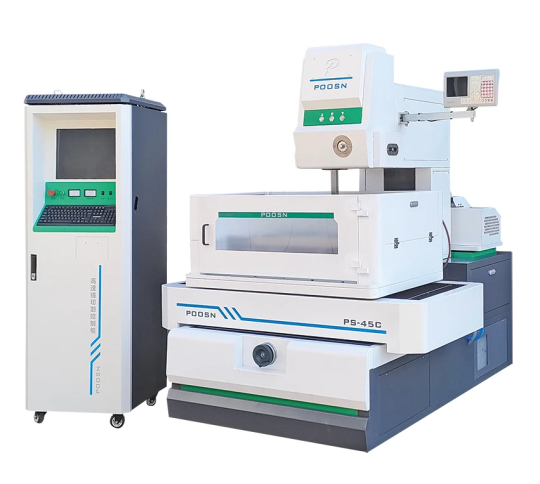
Wire EDM — also written wire-cut EDM or WEDM — removes material with controlled electrical discharges between a thin wire electrode and the workpiece, submerged or flushed in deionized water. Because the wire never touches the part, hardness, wall thickness and feature size stop being barriers: hardened steel and carbide that no cutting edge can machine are cut to final size in one setup, with no cutting force and no mechanical burr.
The engineering question is not whether a wire EDM machine can make the part. It usually can. The question is which machine class, which work envelope and which taper capability the job actually needs — and buying capability the shop will never use is the most common way to get this purchase wrong.
Content
- 1 Why Wire EDM Is Used for Automotive Tooling
- 2 Common Automotive Parts, Dies and Tooling Cut by Wire EDM
- 3 Materials Suitable for Automotive Wire EDM
- 4 What Tolerance Can Wire EDM Hold?
- 5 High-Speed vs Medium-Speed vs Large-Taper Wire EDM
- 6 How to Choose the Right Wire EDM Machine for Automotive Tooling
- 7 POOSN Wire EDM Machines for Automotive Tooling
- 8 Wire EDM vs Milling, Laser Cutting, Grinding and Sinker EDM
- 9 How to Evaluate a Wire EDM Manufacturer or Supplier
- 10 Cost, Consumables and Maintenance on Automotive Wire EDM
- 11 Automotive Wire EDM FAQ
- 11.1 What tolerance can automotive WEDM hold in production?
- 11.2 Can wire EDM cut a case-hardened or carburized part?
- 11.3 Is high-speed or medium-speed WEDM better for automotive tooling?
- 11.4 Can wire EDM produce automotive parts in volume?
- 11.5 Which wire should be specified for automotive die work?
- 11.6 What should be verified before ordering a wire EDM machine for automotive work?
- 12 Request a Cutting Test
Why Wire EDM Is Used for Automotive Tooling
Four constraints push automotive tooling toward WEDM, and they usually appear together rather than one at a time.
- Hardness after heat treatment. Inserts and punches are through-hardened, carburized (typically 0.6–1.2 mm case depth) or made of cemented carbide, because they must survive hundreds of thousands of strokes. WEDM removes material by spark erosion rather than with a cutting edge, so a hardened D2 or SKD11 insert can be finished to size after hardening — with none of the distortion risk that comes with finish-grinding a hardened part.
- Feature size below cutter radius. A 0.6 mm seal groove has a corner radius no practical end mill can produce, and the same wall stops a 0.4 mm injector slot or a square internal corner. The wire is the tool: there is no tool corner radius to compensate for and no minimum internal radius beyond the wire radius plus the spark gap.
- No cutting force. Thin-wall housings, 0.8 mm ribs on a structural bracket and long slender cores deflect under milling loads. WEDM applies essentially no mechanical force, so a 0.5 mm wall can be cut without support and without springback.
- Revision frequency. A stamping die may be modified several times across a vehicle program as facelifts, trim variants and regional specifications arrive. On WEDM that is a program edit rather than a new electrode, fixture or form tool, which on low-to-mid volume work often outweighs the slower cut rate.
Rule of thumb: if the part is conductive, harder than about 45 HRC and carries a feature narrower than 1 mm or a wall thinner than 1.5 mm, wire EDM belongs on the process route from the start, not added as a rescue operation after milling fails.
Common Automotive Parts, Dies and Tooling Cut by Wire EDM
These are the applications that actually arrive at the machine. The pattern is consistent: the part is hardened, thin, or geometrically blocked for a conventional cutter.
| Part Category | Typical Material | Typical Reference Tolerance | Reason WEDM Is Specified |
|---|---|---|---|
| Stamping die inserts, punches and strippers | D2, SKD11, Cr12MoV, carbide | 0.003–0.008 mm | Cut after hardening; no grinding distortion |
| Die-casting and injection mold inserts | H13, 8407, S136 | 0.005–0.010 mm | Deep narrow ribs and drafted walls |
| Shift forks and synchronizer tooling | 20MnCr5, SCM415 | 0.008–0.012 mm | Carburized surfaces plus tight angular features |
| Brake caliper seal grooves | Cast iron, aluminium alloy | 0.008–0.015 mm | Groove width below cutter radius |
| Injector seats and spray orifices | Hardened stainless, tool steel | 0.003–0.006 mm | Roundness and surface integrity inside a bore |
| Sensor housings and connector inserts | Brass, beryllium copper | 0.010–0.020 mm | Thin walls that cannot take clamping force |
| Carbide cutting tools, broaches and reamers | Tungsten carbide | 0.003–0.008 mm | Hardness beyond economic abrasive wheel life |
| EV motor lamination and rotor dies | Carbide, hardened tool steel | 0.002–0.005 mm | Burr-free edges and stacked lamination accuracy |
Two categories pay for the machine on their own. Hardened stamping inserts are the classic case; EV lamination dies are the fastest growing, because a burr there is multiplied across thousands of stacked sheets and can become a short circuit in the finished stator or rotor. Wire EDM can produce burr-free edges, and additional finishing passes can significantly reduce recast layer thickness and improve surface integrity.
Materials Suitable for Automotive Wire EDM
EDM is often called material-agnostic because it only needs electrical conductivity. In practice, metallurgy still changes the cut rate, the surface integrity and the number of passes needed — differences large enough to affect a quotation.
| Material Group | Behaviour in WEDM | Practical Note |
|---|---|---|
| Hardened tool steels (D2, SKD11, Cr12MoV, H13) | Easiest group: conduct well, flush cleanly, hold tolerance across passes | Multi-pass cuts on a 40 mm insert reach a fine-finish surface |
| Carburized and case-hardened steels | Hard case over a softer core erodes at different rates; the wire lags in the case and speeds up in the core | Reduce roughing parameters and check flushing; corners show the difference first |
| Cemented carbide | Cuts well, but micro-cracking and cobalt depletion are a real risk at high discharge energy | Lower-energy roughing plus one or two extra trim passes |
| Titanium and nickel alloys (Ti-6Al-4V, Inconel) | Cut more slowly than steel at the same thickness; recast layer risk if trims are skipped | A three-pass minimum is common where surface integrity is critical |
| Aluminium and copper alloys | Aluminium cuts fast but may oxidize; copper and brass conduct heat away and cut less efficiently | Do not quote either on the same hourly rate as tool steel |
Carbide and nickel alloys are the two groups where saving a trim pass is a false economy, because the damage appears weeks later as chipping or a fatigue crack rather than as an immediate dimensional failure.
What Tolerance Can Wire EDM Hold?
The tolerance printed on a drawing and the tolerance a shop can hold in production are two different numbers. Most automotive tooling volume sits in the middle of the practical range, which is exactly where the economics of wire EDM are most favourable.
- Hardened die and mold inserts sit at the tightest end, because blanking and trimming clearance directly sets burr height and die life. Reaching this band takes a precision-class machine, a controlled environment and three or more passes.
- Injector seats are usually governed by roundness and surface finish rather than absolute size — an important distinction when writing a purchase specification.
- Shift fork and synchronizer tooling lands in a range that a medium-speed machine with two cutting passes handles comfortably and repeatably.
- Brake caliper seal grooves are typically a roughing pass plus one trim pass on most machine classes.
- Structural brackets and reinforcements are the loosest category, where a single-pass high-speed cut is usually sufficient unless the edge quality requirement says otherwise.
Below the fine-finish band the cost curve turns steeply upward: you need a temperature-controlled environment, three or more passes, slower wire feed and a level of operator discipline that not every shop can sustain across three shifts. At the loose end, the honest competitor is laser or high-definition plasma cutting rather than milling.
Separating the tolerance the customer actually needs from the tolerance printed on the drawing is the most valuable habit in this business. Quotations can double when a general note written for a functional surface is applied to a surface that never touches another part.
High-Speed vs Medium-Speed vs Large-Taper Wire EDM
High-speed wire EDM, often built around the DK77 platform, delivers the lowest cost per square millimetre of cut. It is the right answer for brackets, shim stock, simple punches and any job where the looser band is acceptable.
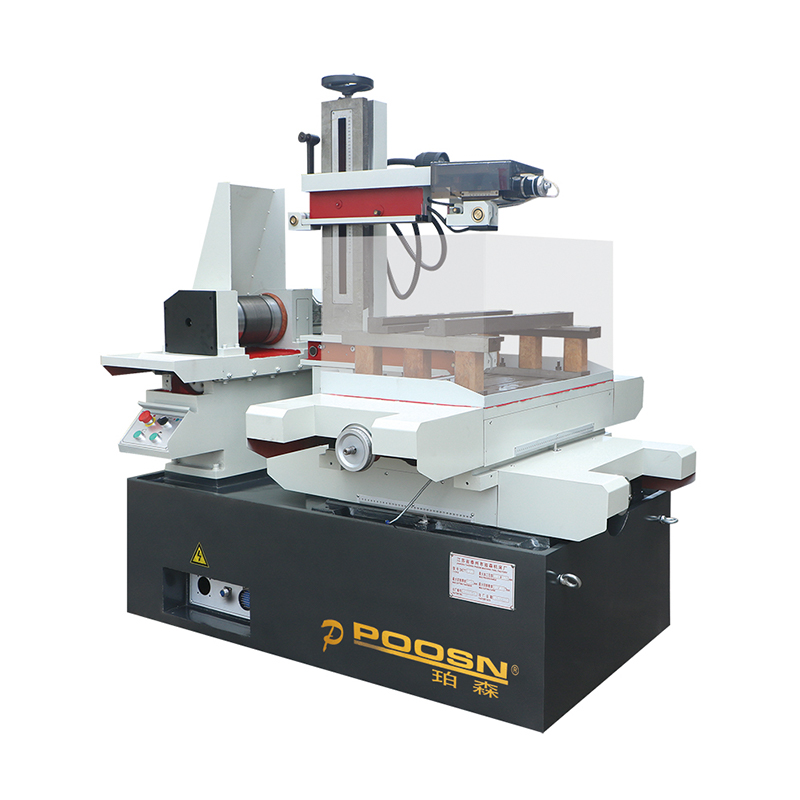 DK-7745 CNC High-Speed Wire EDM Machine (4-Axis, 400×600mm Travel)DK-7745 High-Speed Wire EDM: A device specifically designed for complex shapes and high-precision parts, offering accurate and reliable machining performance. This mac...View Product →
Medium-speed wire EDM sits between high-speed and precision machines. It adds controlled multi-pass cutting and a more rigid wire drive, and that combination is what moves the achievable band from the loose end toward the fine-finish end — one reason medium-speed machines are widely specified for automotive tooling. Cost per cut is higher than a high-speed machine, but scrap rate and manual finishing hours both drop.
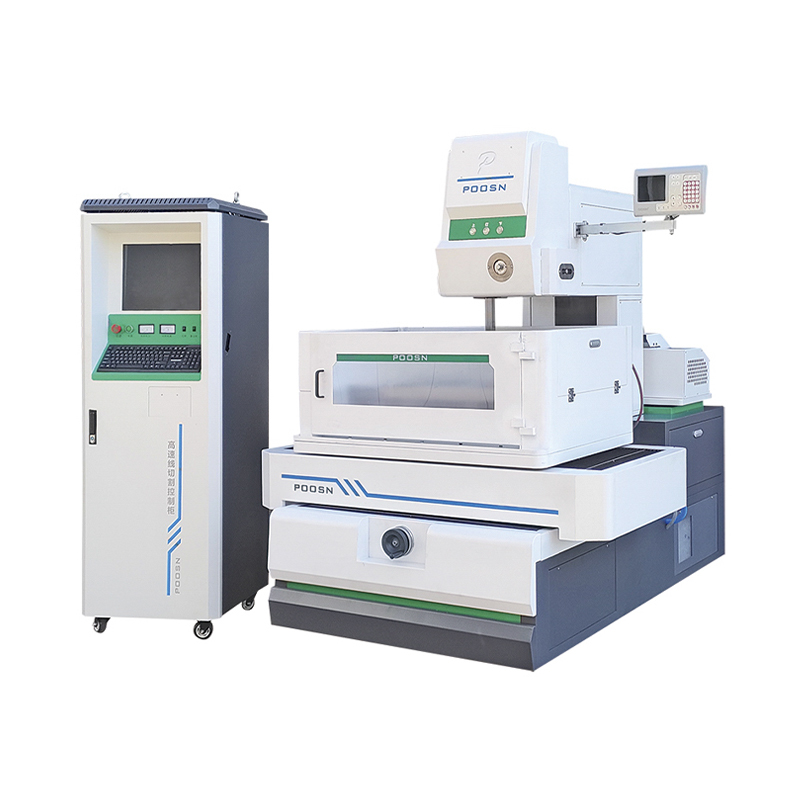 PS45C Heavy-Duty CNC Medium Speed Wire Cut EDM MachinePS45C Series Medium-Speed Wire EDM: Designed for the precision machining of larger workpieces, this series offers enhanced processing capabilities and higher workloads...View Product →
Multi-pass cutting is a capability rather than a machine class: a roughing pass followed by one or more trim passes at progressively lower discharge energy. Every medium-speed and precision machine supports it, and it is what delivers both the tighter tolerance and the finer surface finish automotive specifications call for — a single-pass cut never achieves it. Confirm the number of trim passes the control supports before looking at anything else, because that number sets the floor on achievable tolerance.
Precision wire EDM machines, which hold the tightest bands with smaller wire, are justified mainly for EV lamination dies, injector tooling and carbide work where the tolerance and surface integrity requirements are genuinely tight. They cost significantly more and need a controlled environment.
Buy the class that covers the tolerance band you genuinely need, not the tightest drawing in the file, because the price gap between classes is far larger than the difference in achievable quality on ordinary automotive work.
How to Choose the Right Wire EDM Machine for Automotive Tooling
Selection works better from the part than from a catalogue. Run this chain in order:
- Part size and weight — sets the work envelope and table load, and usually rules out machines before anything else does.
- Material and hardness — sets the pass strategy, and whether a parameter library has to be built from scratch.
- Tolerance and finish that actually matter — sets the machine class, and whether a controlled environment is needed.
- Taper — draft, relief or angled walls decide whether a taper-capable machine is required at all.
- Monthly cut metres — decides between one machine and two.
The table below is a starting point, not a specification.
| If Your Job Is | Start With |
|---|---|
| Hardened D2 / SKD11 inserts at roughly 20–30 µm | DK77 Series high-speed machine |
| Precision tooling needing tighter dimensional control and a finer finish | PSC Series medium-speed machine |
| General precision tooling where cost per part dominates | DK-BC Series |
| Angled walls, draft or deep taper | Large-taper (DKD) Series |
The recommendation still depends on the part, and the reliable way to settle it is a cutting test on your own material rather than a comparison of catalogue figures.
Taper Cutting for Angular Dies and Molds
Automotive dies and molds are rarely straight-walled: draft angles, relief angles and die openings that taper from the cutting edge down into the clearance zone all require the wire to tilt.
- Taper capability is always quoted at a specified workpiece height, and the achievable angle falls as the part gets taller. A machine rated for a given angle at one Z height will not necessarily hold it at another.
- Specify taper by both angle and maximum deviation at a stated height. The deviation figure — not the maximum angle — decides whether a die assembles cleanly, and it is the number missing from most quotations.
- Large-taper machines use independent U/V axis control with a dedicated taper head, so flushing and tension stay consistent while the wire tilts. Without that, cut quality on the tapered surface and corner accuracy both degrade.
- Taper is not free. On straight through-holes, carbide blanks and simple punches it adds cost with no benefit; if the drawing shows no draft, relief or angled wall, leave it off the specification.
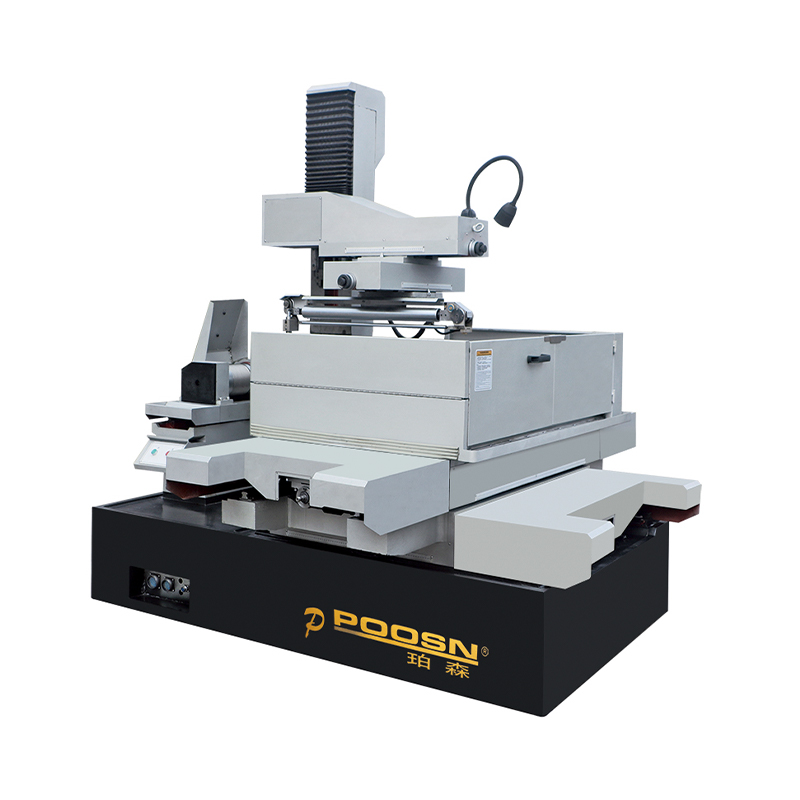 DK45D CNC Large Taper Wire Cut EDM Machine for Precision Mold MachiningDK45D Series Large-Taper Wire EDM: Specifically designed for high-precision, large-taper cutting tasks, this series is ideal for precision machining requiring signific...View Product →
POOSN's large-taper models are specified up to ±45°.
POOSN Wire EDM Machines for Automotive Tooling
POOSN is the wire EDM brand of Taizhou Xinchengyang Machinery Manufacturing Co., Ltd. The factory has manufactured wire EDM machines for three decades across four families — PS, PSC medium-speed, DK high-speed and large-taper cutting — and exports to Southeast Asia, West Asia, Europe and the Americas as a direct manufacturer rather than a trading company.
| Series | Best For | Key Point |
|---|---|---|
| PSC Series (PSC35C / PSC45C / PSC50C / PSC60C) | Precision automotive tooling | Multi-pass medium-speed cutting; accuracy and finish |
| DK-BC Series | General precision tooling | Balance of speed and cost; repeat positioning accuracy of 0.002 mm |
| DK77 Series | Rough cutting and general tooling | Cost-effective cutting on hardened stock |
| Large-taper (DKD) Series | Tapered dies and molds | Large-angle taper cutting, up to ±45° |
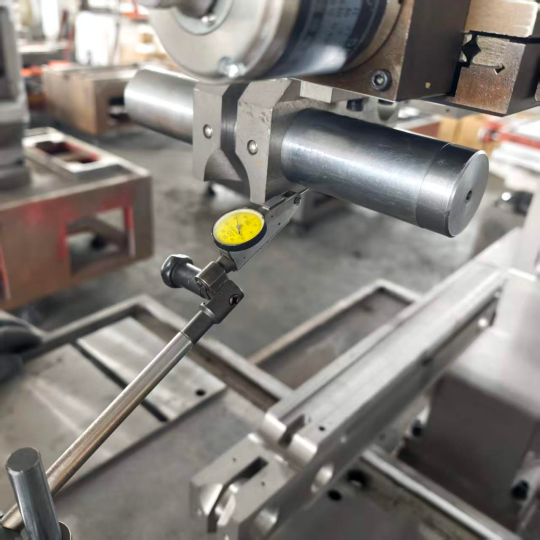
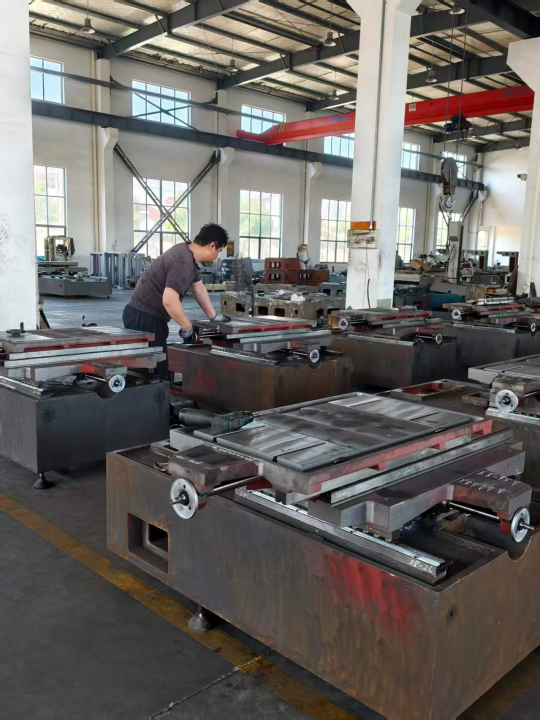
How POOSN Verifies Wire EDM Machine Accuracy
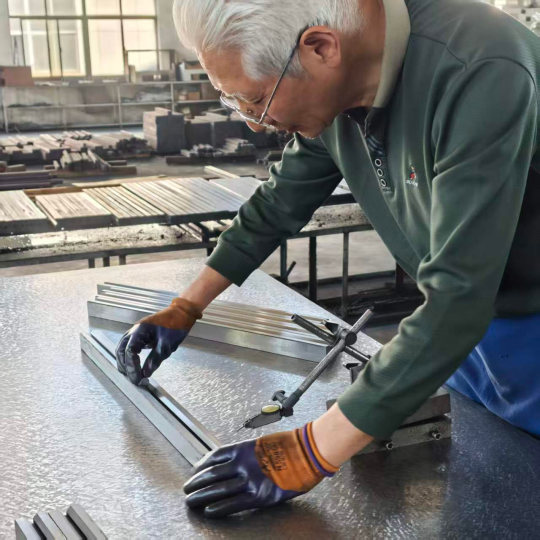
Telling a buyer to "ask for a laser interferometer report" is easy; showing what happens on the shop floor is more useful. This is the verification chain behind a POOSN machine:
- Saddle plate process — 12 hours of tempering, 24 hours of natural cooling and manual stress relief, so geometry holds over years of service rather than only at the acceptance test.
- Assembly and alignment against a mechanical or laser reference, with guideway accuracy controlled on the shop floor instead of corrected at the end of the line.
- Positioning accuracy measured with a laser interferometer before shipment, with the test report issued to the customer.
- Three inspection gates — incoming parts, assembly process and final pre-shipment — covered by eight full-time quality inspectors.
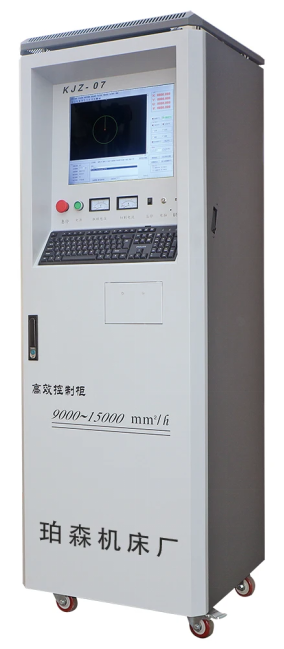
- Matched control system — KJZ-07, ZHZK-03, CHK.CNC.SYS or SN-10000, depending on the machine.
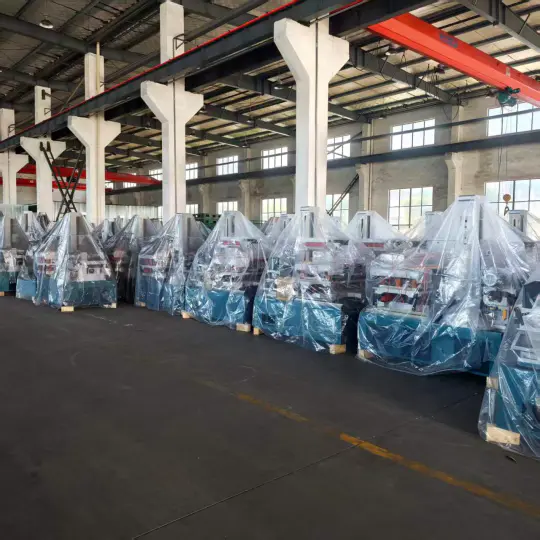
Not sure whether high-speed, medium-speed or large-taper WEDM fits your automotive tooling? Send us the part size, material, thickness and the tolerances that actually matter, and we will come back with a machine recommendation rather than a catalogue page.
Wire EDM vs Milling, Laser Cutting, Grinding and Sinker EDM
The comparison that matters is not wire EDM versus milling in the abstract. It is which process delivers a conforming feature at the lowest fully loaded cost on a specific material.
| Process | Hardness Limit | Reference Tolerance | Corner Radius | Best Fit in Automotive |
|---|---|---|---|---|
| Wire EDM | Any conductive material, regardless of hardness | 0.003–0.015 mm | Wire radius only | Hardened dies, thin walls, internal features |
| CNC milling | Up to about 45 HRC | 0.010–0.030 mm | Cutter radius | Soft bodies, large pockets, 3D surfaces |
| Laser cutting | Steel sheet within a moderate thickness range | 0.050–0.150 mm | Small, but with a heat-affected zone | Flat blanks, brackets, pre-form profiles |
| Sinker EDM | Any conductive material | 0.005–0.020 mm | Electrode corner | Blind cavities, 3D forms, mold texture |
| Grinding | Any hardened steel | 0.002–0.010 mm | Wheel form | Flat faces, OD and ID cylindrical work |
Laser cutting is the comparison worth expanding, because it is frequently proposed as a substitute for high-speed WEDM on automotive blanks. Laser wins on flat sheet where the tolerance is loose and the edge condition is not critical. It loses as soon as the part is thick, as soon as the heat-affected zone is unacceptable, or as soon as the tolerance requirement tightens well below 0.05 mm. On hardened tooling at 60 HRC, laser is not in the conversation.
Grinding and wire EDM overlap on hardened die work, and the division is straightforward: grinding handles flat faces and cylindrical features faster and cheaper, while WEDM handles internal profiles, narrow slots, sharp internal corners and anything that would need a custom form wheel. Most automotive tooling shops run both and route the work accordingly.
Few processes combine unlimited workpiece hardness, tolerance in the low-micron range and zero cutting force — which is why hardened automotive dies and thin-wall tooling keep returning to wire EDM despite the slower cut rate.
How to Evaluate a Wire EDM Manufacturer or Supplier
Automotive customers audit their tooling supply chain, and that pressure flows down to whoever supplies the machine. A machine that cuts well in a demo but has no spare parts channel, no service commitment and no accuracy re-certification procedure becomes a production bottleneck within eighteen months. Request the following in writing:
- Measured accuracy of the specific unit, with the test method named — a laser interferometer report on the actual machine, not a catalogue figure for the model line.
- The number of trim passes the control supports — this sets the floor on achievable tolerance, and it is a question most buyers forget to ask.
- Spare parts lead times for the items that stop production: power supply boards, wire tensioning motors, UV axis drives and control components. A written committed lead time is worth more than a lower machine price.
- Parameter support for your material mix — starting points for carbide, carburized steel and, where relevant, titanium and nickel alloys at the thicknesses you actually run.
- A cutting test on your own material, with the test report and the parameter set used.
- A machine acceptance test on a test piece that represents your geometry, measuring edge finish, corner behaviour and taper angle.
- English documentation — operation manual, electrical drawings, parameter list and control documentation.
- Electrical configuration — voltage, phase and connection requirements for your facility, plus the electrical component list.
- Control system support — controller and version, how updates and spares are handled, and whether the machine depends on an internet connection to run or update.
- Training, export documentation and customization — what is included and in what language; packing, loading and customs documents for your destination; and whether the factory can supply fixtures, taller enclosures, extended Z travel or automation-cell integration rather than only catalogue machines.
Before comparing prices, normalize the quotations: add the first year of consumables, the spare parts risk implied by the quoted lead times, and the value of the parameter and training support offered. Machines that differ noticeably in purchase price can invert completely once those factors are included. For automotive tooling, the supplier relationship matters more than the machine specification, because a documented lead time and a ready parameter table are what keep the machine producing in year three.
Need a cutting test before you order? Send us your drawing and material specification, and we will cut the part and return it with the measured result.
Cost, Consumables and Maintenance on Automotive Wire EDM
Cost per part is dominated by three variables: cut length, workpiece height and the number of passes. A two-pass cut on a 40 mm steel insert takes substantially more machine time than a single-pass cut on the same geometry, and the increase is almost entirely machine time rather than wire consumption.
Wire cost depends on how the machine uses it: where the wire is reused until it breaks or the diameter drops below the usable threshold it is a minor cost item, and where it is single-use, consumption becomes a visible line item. Either way, at typical automotive cut lengths wire is usually a small share of total part cost, so optimising the number of trim passes matters more than shopping for cheaper wire.
Beyond wire, the consumables are dielectric filters, resin, nozzles and guide assemblies. Guide life is the item most often underestimated: on a three-shift machine, upper and lower guides should be inspected monthly and replaced on a schedule rather than on failure, because a worn guide appears as a taper error that creeps in gradually and is easy to miss until parts start failing inspection.
A short shift routine prevents most of it:
- Clean the dielectric filters on schedule, not on alarm.
- Verify wire tension weekly with a gauge rather than by ear.
- Re-check positioning accuracy periodically, because thermal drift accumulates invisibly on the part.
- Keep dielectric conductivity within the range the machine builder specifies — conductivity drift changes spark characteristics, and therefore tolerance.
- Log every guide replacement.
On a three-shift cell, scheduled guide replacement and dielectric conductivity control prevent more scrap than any operator training programme, because both failures develop slowly and are invisible on a single part.
Automotive Wire EDM FAQ
What tolerance can automotive WEDM hold in production?It depends more on the pass strategy and the shop environment than on the machine brand: a medium-speed machine with two or three passes handles the middle of the practical range repeatably, a precision machine in a controlled environment reaches the tight end, and a single-pass high-speed machine covers the loose end. The reference bands above describe typical requirements, not guaranteed values. |
Can wire EDM cut a case-hardened or carburized part?Yes. The carburized case and the softer core erode at slightly different rates, so reduce roughing parameters and check flushing carefully. Corners show the difference first, and the usual fix is a slower roughing pass plus an additional trim pass. |
Is high-speed or medium-speed WEDM better for automotive tooling?Medium-speed is the usual choice where the work needs tight tolerance and a controlled finish, because multi-pass cutting and a rigid wire drive hold the band far better. High-speed remains the better choice for brackets, shims and simple punches where the loose band is acceptable and cost per part dominates. |
Can wire EDM produce automotive parts in volume?Wire EDM machines are best described as production tooling rather than production parts equipment. One machine can run unattended through the night on a stack of die inserts, and a cell of three or four can serve a full tool room. For consumer parts in hundreds of thousands of pieces, wire EDM makes the die, not the part. |
Which wire should be specified for automotive die work?Specify the wire type and diameter the builder's parameter library is built around for your material and thickness, and confirm it in writing. Coated grades are commonly used to improve flushing and edge quality on trim passes; for high-speed machines with a reciprocating wire, molybdenum wire remains standard. |
What should be verified before ordering a wire EDM machine for automotive work?The number of trim passes the control supports, the measured positioning accuracy of the specific unit with the test method named, the committed lead times for power supply and axis drive spares, the English documentation set, and whether the builder can supply starting parameters for carbide, carburized steel and titanium at the thicknesses you actually run. |
Request a Cutting Test
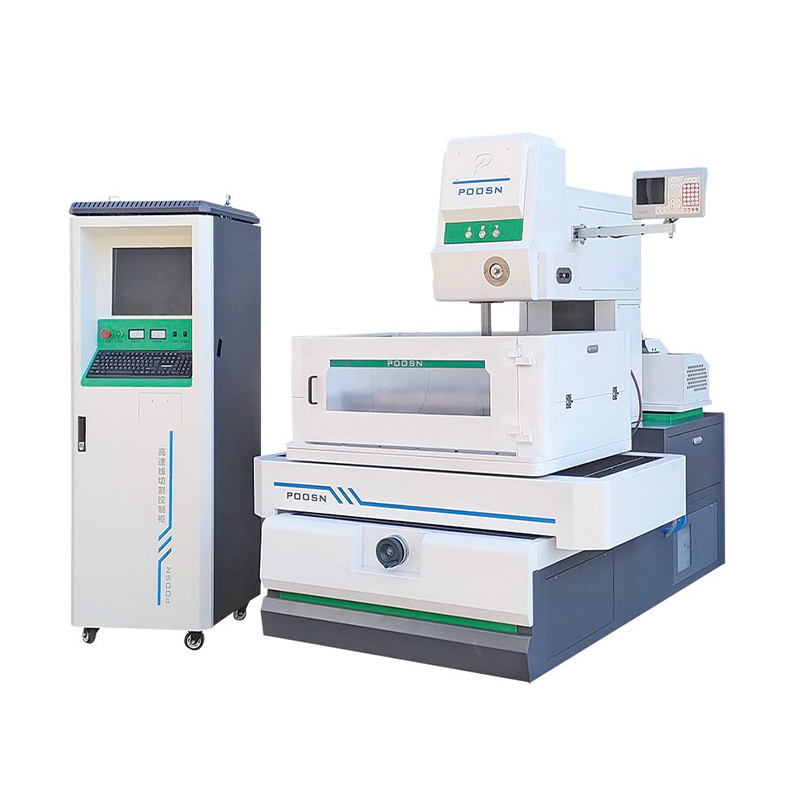
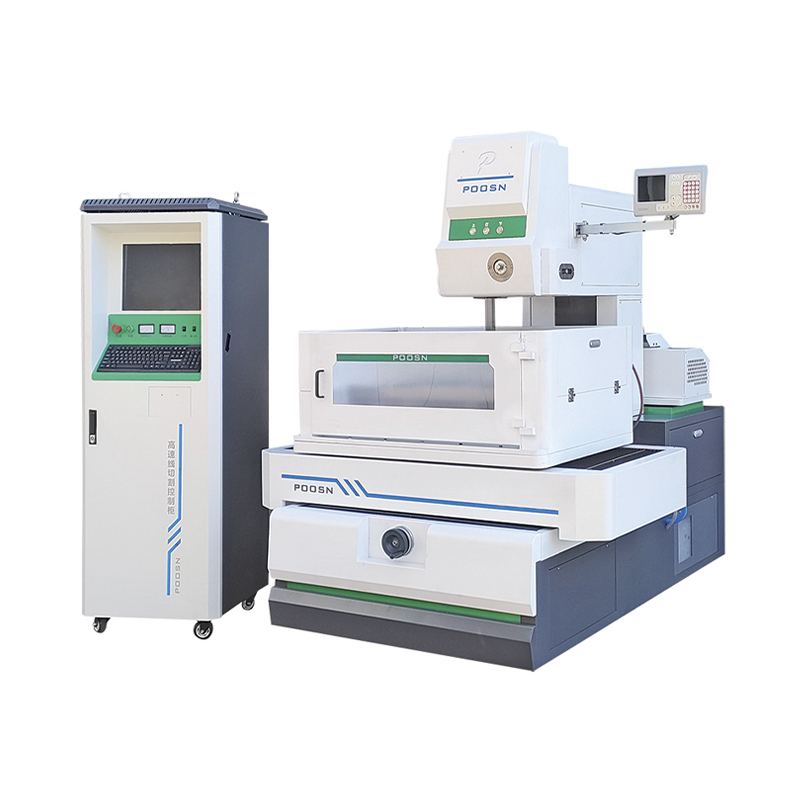
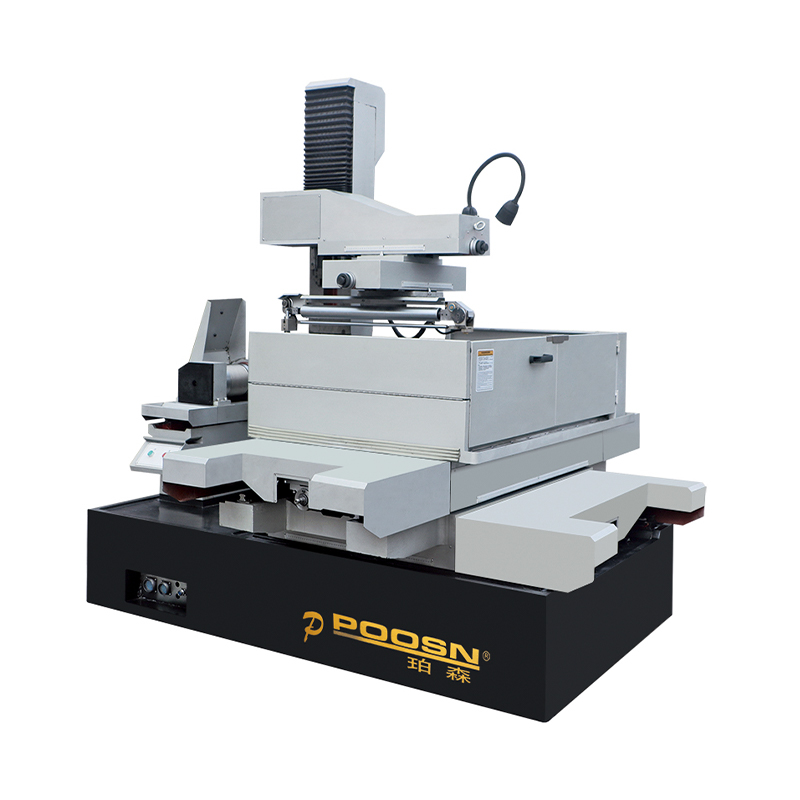
A tool room serving stamping, brake, transmission and EV programs typically needs one medium-speed machine for the tight work and one or two high-speed machines for the volume work, plus taper capability if die work is part of the mix. Sending a drawing with the material, hardness, thickness and the tolerances that actually matter is the fastest way to get a useful machine recommendation rather than a catalogue page — the answer usually changes once the real tolerance band is separated from the general notes.

-
Phone
+86-0523-86268788 +86-13815960366 +86-13912191163Email
[email protected]Address
No. 366, Yusheng Road Jiulong Town, Hailing District Taizhou City, China
Copyright © Taizhou Xinchengyang Machinery Manufacturing Co., Ltd. All Rights Reserved.
Custom edm machine for sale
wholesale edm machine manufacturers
