

 English
 русский
 عربى
عربى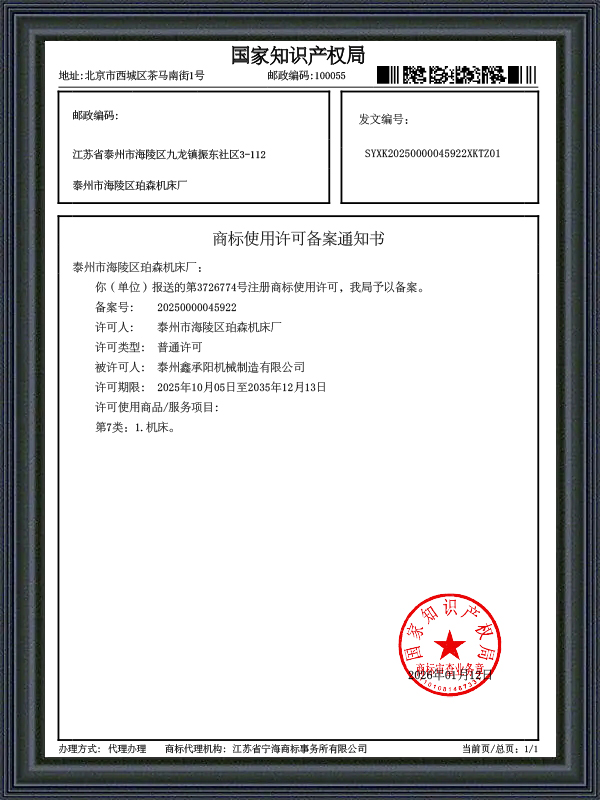
1. Product Overview(DK-BC High-Medium-speed WEDM)
The DK-BC series represents a line of high-medium ...


DKD Large Cutting Taper WEDM Manufacturers
-
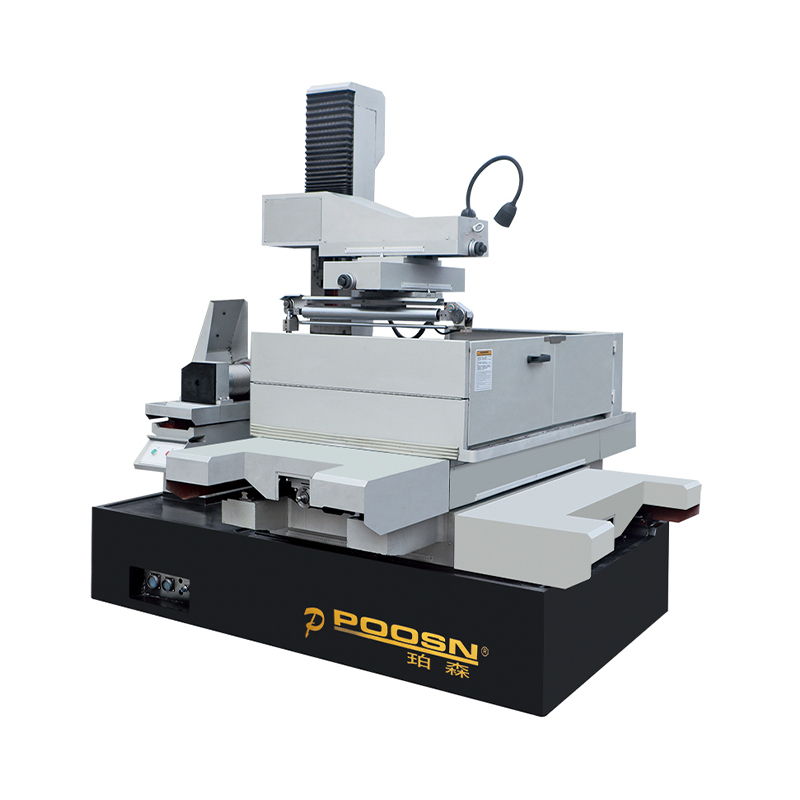
DK45D CNC Large Taper Wire Cut EDM Machine for Precision Mold Machining
-
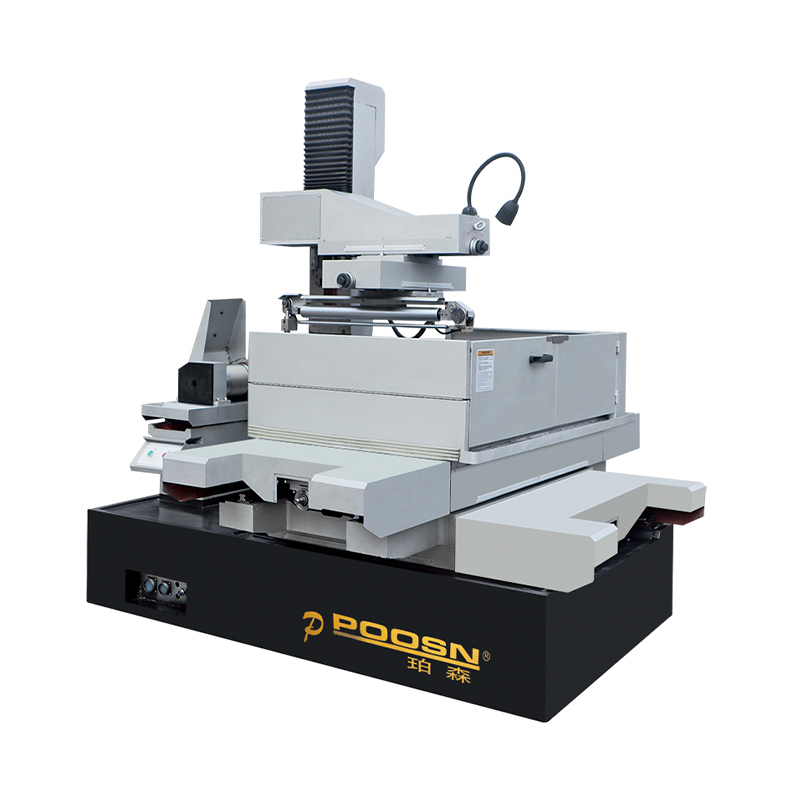
DK55D Heavy-Duty CNC Large Taper Wire Cut EDM Machine for Large Workpieces
-
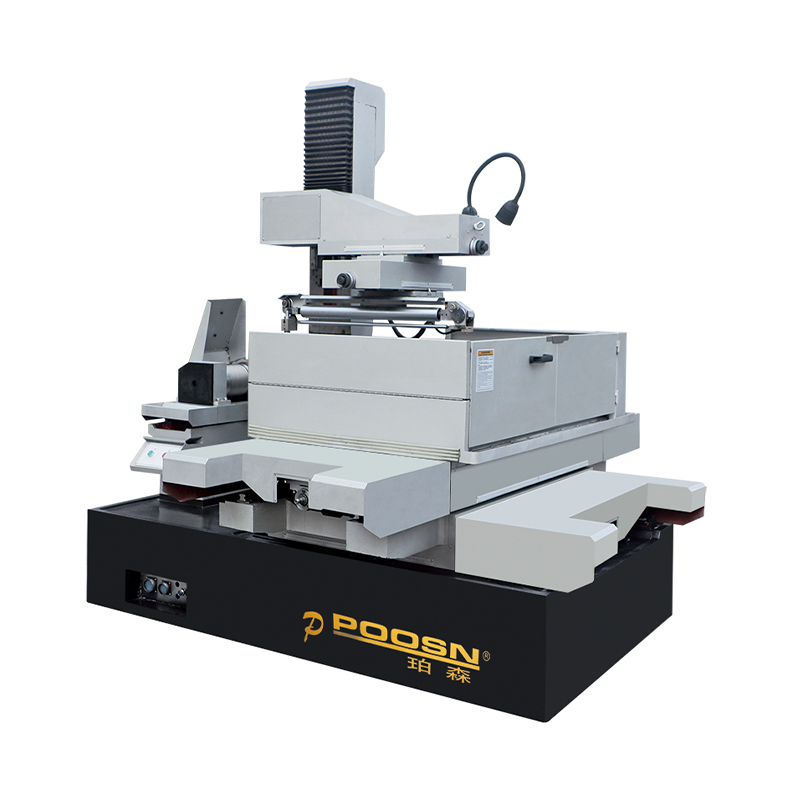
DK63D Heavy-Duty CNC Large Taper Wire Cut EDM Machine for Large Mold Machining
-
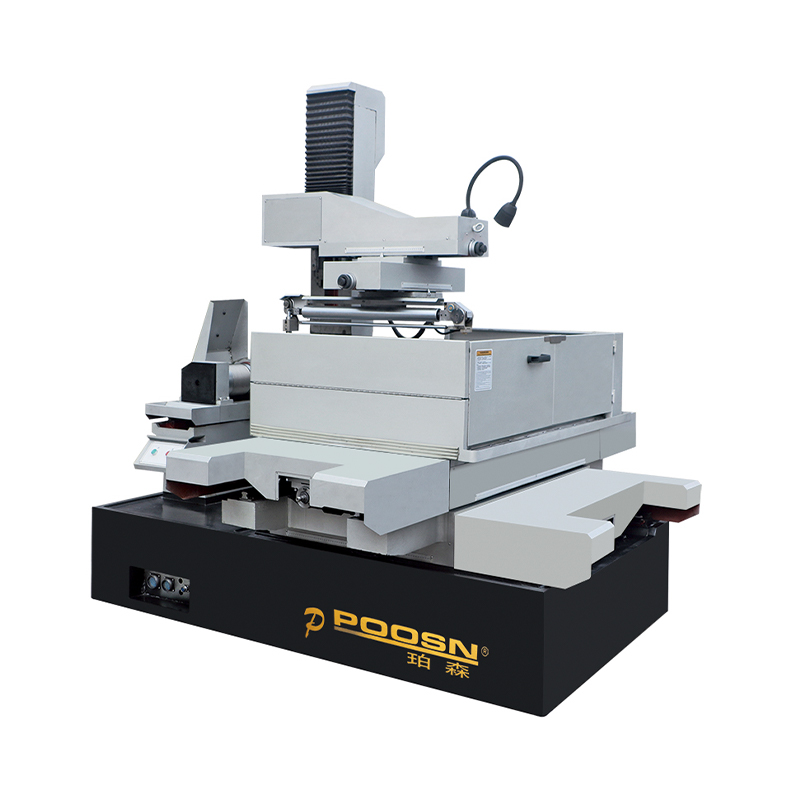
DK80D Heavy-Duty CNC Large Taper Wire Cut EDM Machine for Oversized Workpieces
The DKD series large-taper wire EDM machine is specifically designed for large-taper cutting, capable of processing components with complex shapes and high-precision requirements. Through precise wire electrical discharge machining technology, the PS series provides high-performance and high-precision cutting solutions, suitable for fields such as mold manufacturing, aerospace, and precision machinery processing.
Key Features:
Support for large cutting angles
High-precision cutting, adaptable to various materials
Suitable for heavy-load and complex parts processing
Flexible customization to meet different customer needs
ABOUT US
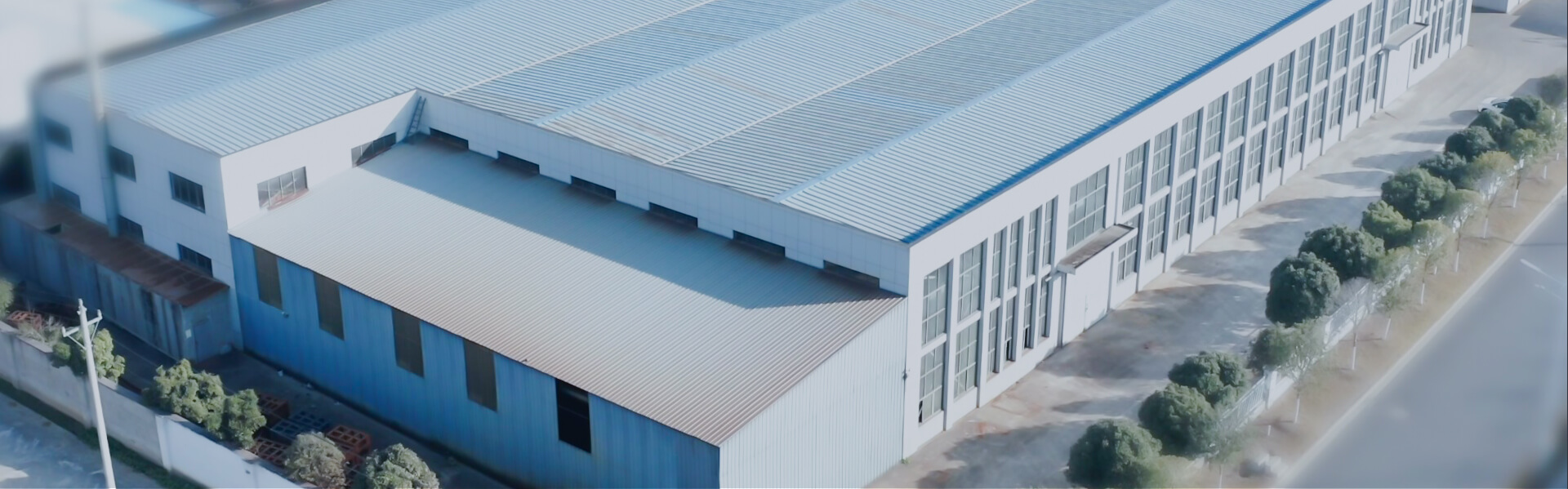
Taizhou Xinchengyang Machinery Manufacturing Co., Ltd.
As China OEM DKD Large Cutting Taper WEDM Manufacturers and ODM DKD Large Cutting Taper WEDM Factory, Our company is a specialized manufacturer with years of experience in the research, development, and production of electrical discharge machining (EDM), special processing technologies, and equipment. We possess strong technical capabilities, advanced processing equipment, comprehensive testing methods, and rational product design. All products are strictly manufactured in accordance with national standards, with each machine tool undergoing positioning accuracy testing to ensure high-quality output.
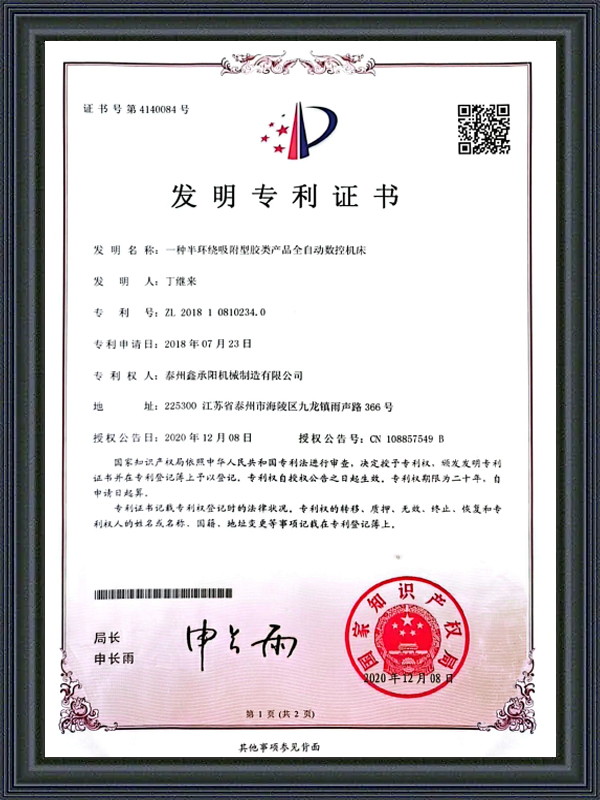
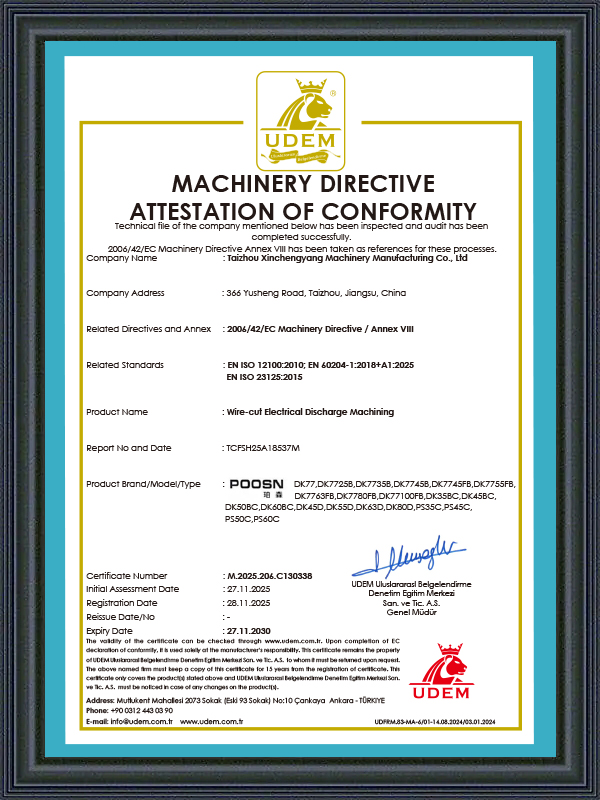
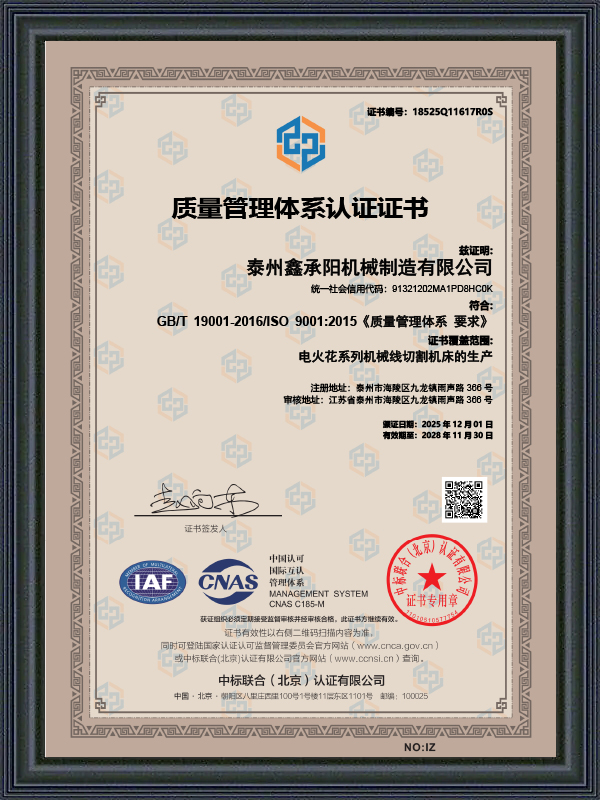
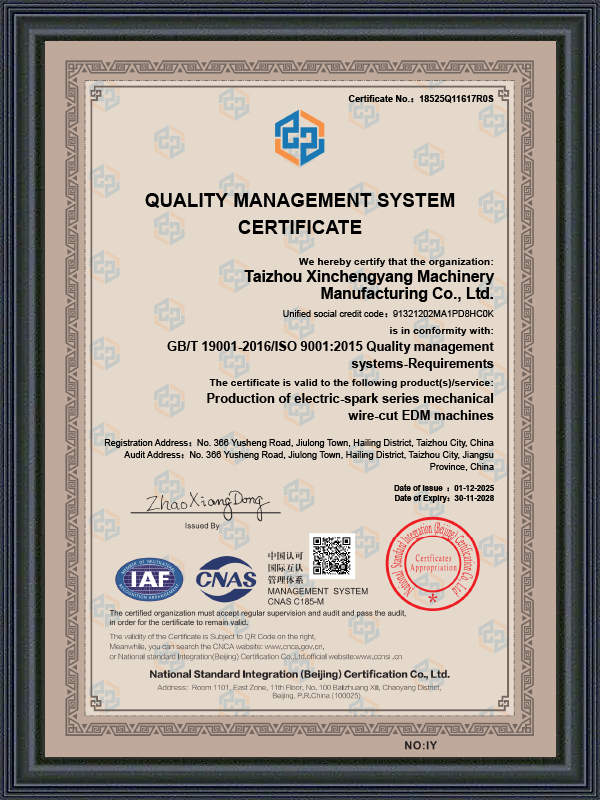
HONORARY CERTIFICATION
CERTIFICATE
LATEST UPDATES
WHAT'S NEWS
-
DK-BC High-Medium-speed Wire EDM (WEDM) Knowledge Guide
-
Knowledge Guide For DKD Large Cutting Taper WEDM (Wire EDM) Machines1. Product Overview The DKD Large Cutting Taper WEDM is a high-precision CNC machine designed for cu...
-
A Comprehensive Knowledge Of The PS-C Medium-speed Wire-cut EDM Machine1. Product Overview The PS-C Medium-speed Wire-cut EDM Machine is a CNC (Computer Numerical Control)...
-
How to Select the Configuration for a Wire-Cut EDM MachineSince the year 2000, manufacturers have invested significant resources in enhancing the processing s...
-
Wire-Cut EDM Machine Operation Process and Fundamental KnowledgeWire-Cut EDM Machine Operation Process and Fundamental Knowledge When selecting a wire cutting machi...
INDUSTRY KNOWLEDGE
In the realm of modern precision mold manufacturing and complex part machining, Wire Electrical Discharge Machining (WEDM) technology has consistently held a pivotal position. Drawing upon its deep industry expertise, Taizhou Xinchengyang Machinery Manufacturing Co., Ltd. has elevated the research, development, and application of **DKD Large Cutting Taper WEDM machines** to new heights. The DKD technology represents not merely an expansion of machining dimensions, but also the quintessential embodiment of process stability and geometric precision.
The Core Process Logic of DKD Large-Taper Wire-Cut EDM
The DKD technology was originally designed to address the geometric distortion issues that arise when traditional wire-cut EDM systems process complex, large-taper workpieces. Through innovations in machine tool structure, the DKD series equipment—manufactured by Taizhou Xinchengyang—has achieved a qualitative breakthrough in multi-axis linkage and spatial positioning capabilities.
1. Spatial 4-Axis/5-Axis Linkage Mechanism
The core of DKD large-taper machining lies in the precise displacement of the U and V axes, which operate in coordination with the traditional X and Y axes to generate complex spatial trajectories. By optimizing the deflection structure of the guide wheel assembly, Taizhou Xinchengyang ensures that the electrode wire maintains constant tension even under extreme deflection angles, thereby effectively preventing wire breakage and the formation of surface ripples.
2. Geometric Accuracy Compensation Mechanism
In large-taper cutting, the actual cutting position of the electrode wire is subject to minute radial errors resulting from the displacement of the support points. DKD technology incorporates advanced geometric compensation algorithms capable of correcting, in real time, the taper errors induced by the inclination of the electrode wire. This compensation mechanism addresses not only linear errors but also accounts for the dynamic effects arising from the oscillation of the wire guide assembly.
3. Enhanced Rigidity of the Support Structure
Large-taper cutting operations are often accompanied by significant lateral cutting forces. Taizhou Xinchengyang employs high-strength aging treatment on the machine's cast components to ensure that the column and bed frame exhibit exceptional vibration resistance and thermal stability—even during extensive lateral translation of the U/V axes. This serves as the fundamental basis for guaranteeing that the machine's positioning accuracy meets the required standards upon factory release.
Advantages of DKD Large-Taper Technology
Variable Taper Cutting Capability: Supports a seamless transition from constant to variable taper angles, effectively meeting the draft angle requirements of complex injection molds and stamping dies.
Deep-Hole Taper Machining: When processing thick plates, DKD technology maintains consistency between the upper and lower surfaces, thereby minimizing the "hourglass" distortion errors typically caused by wire lag.
Surface Integrity: Through optimized high-frequency power supply solutions, DKD equipment achieves exceptional surface roughness even during large-angle taper cutting, thereby reducing the need for subsequent grinding operations.
Technical Parameters and Process Comparison Overview
To provide a more intuitive understanding of the technical positioning of DKD large-taper machine tools within the industry, the following table illustrates their operational performance across various processing scenarios:
| Feature Dimension | Standard WEDM | DKD Large Cutting Taper WEDM |
| Coordinate Linkage | Basic X/Y dual-axis linkage | High-precision X/Y/U/V four-axis simultaneous linkage |
| Taper Angle Range | Restricted, typically within ±6° | Supports ultra-large angle swinging for complex structural components |
| Wire Guidance Control | Fixed guide wheel system | Flexible oscillating wire guidance mechanism |
| Precision Retention | Focuses on 2D planar contour accuracy | Focuses on 3D spatial geometric projection precision |
| Application Fields | General mechanical parts, thin plate processing | Aerospace blades, automotive interior molds, complex die-casting dies |
Taizhou Xinchengyang's Quality Control Philosophy
Taizhou Xinchengyang Machinery Manufacturing Co., Ltd. has always adhered to the principle of "establishing a foundation upon standards." Upon the completion of assembly, every product in the DKD series must undergo a rigorous inspection process to verify its positioning accuracy. This procedure serves not only to validate the motion precision of the X and Y axes but, more importantly, to ensure the repetitive positioning accuracy of the U and V axes—particularly during large-range displacements. Through the in-depth calibration of every machine tool prior to shipment, we ensure that our users can achieve consistent and predictable processing results, even when undertaking tasks involving large-taper machining.
Frequently Asked Questions (FAQ)
Q1: How does the DKD system address the issue of frequent wire breakage during large-taper cutting?
A: In large-taper machining, wire breakage is typically caused by poor chip evacuation or uneven wire tension. The DKD technology effectively expels electrolytic byproducts from the angled gap by improving nozzle tracking capabilities and adjusting the discharge frequency of the pulse power supply. Additionally, Xinchengyang’s wire-guiding mechanism features a specialized design that significantly reduces frictional stress between the electrode wire and the guide wheels.
Q2: Why do workpieces sometimes exhibit dimensional discrepancies between the top and bottom surfaces after large-taper cutting?
A: This is usually due to a lack of accurate "offset compensation." When the electrode wire is tilted, the distance between the wire and its guiding point changes. Equipment utilizing DKD technology employs system software to automatically calculate the positional displacement resulting from the wire radius and tilt angle, thereby ensuring that the dimensions of the workpiece—both top and bottom—strictly adhere to the engineering drawings.
Q3: What makes Taizhou Xinchengyang's factory precision testing procedures unique?
A: In addition to standard static geometric precision checks, we place a strong emphasis on the machine tool's spatial positioning accuracy during dynamic operation. We utilize laser interferometers to perform full-stroke compensation on the 4-axis simultaneous motion trajectories, ensuring that every DKD machine maintains exceptional reliability even when machining at extreme angles.
Q4: Does this equipment require a high level of process expertise from the operator?
A: The DKD system integrates an extensive process database. Although large-taper machining is considered a high-end process, Taizhou Xinchengyang’s optimized software interface allows operators to simply input the taper parameters and material thickness; the system then automatically generates the machining trajectory, thereby significantly lowering the technical barrier to entry.
-
Phone
+86-0523-86268788 +86-13815960366 +86-13912191163Email
[email protected]Address
No. 366, Yusheng Road Jiulong Town, Hailing District Taizhou City, China
